Bahía Solano, Chocó | September 17–20, 2026
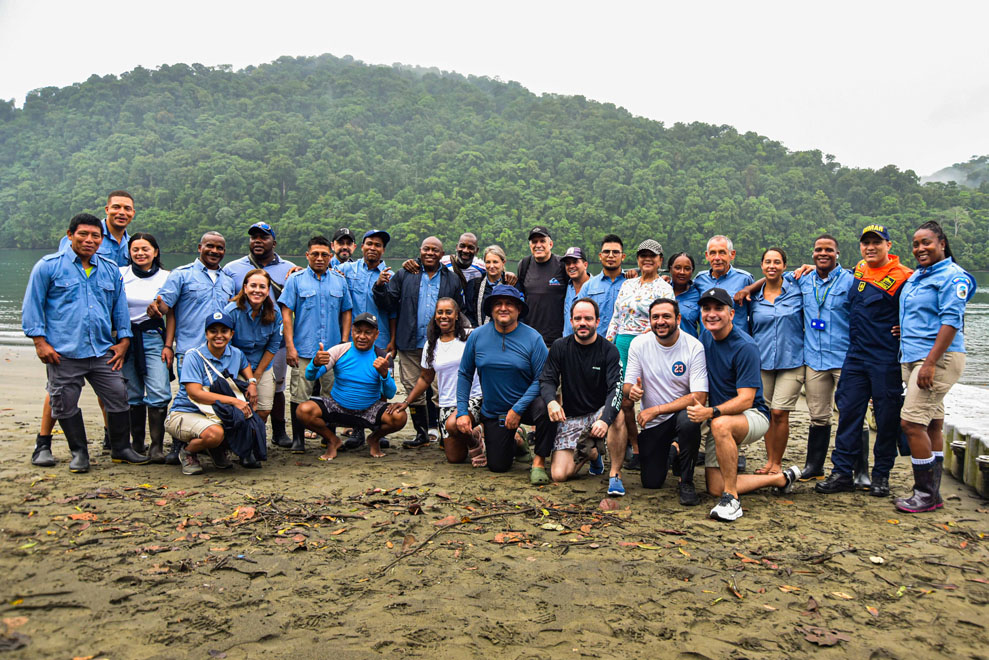
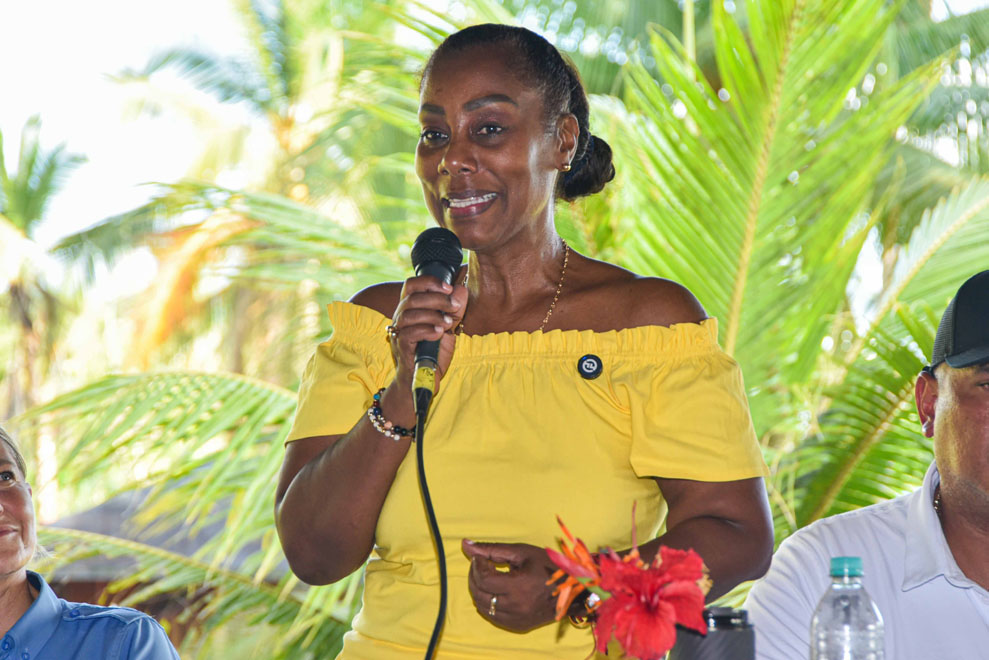
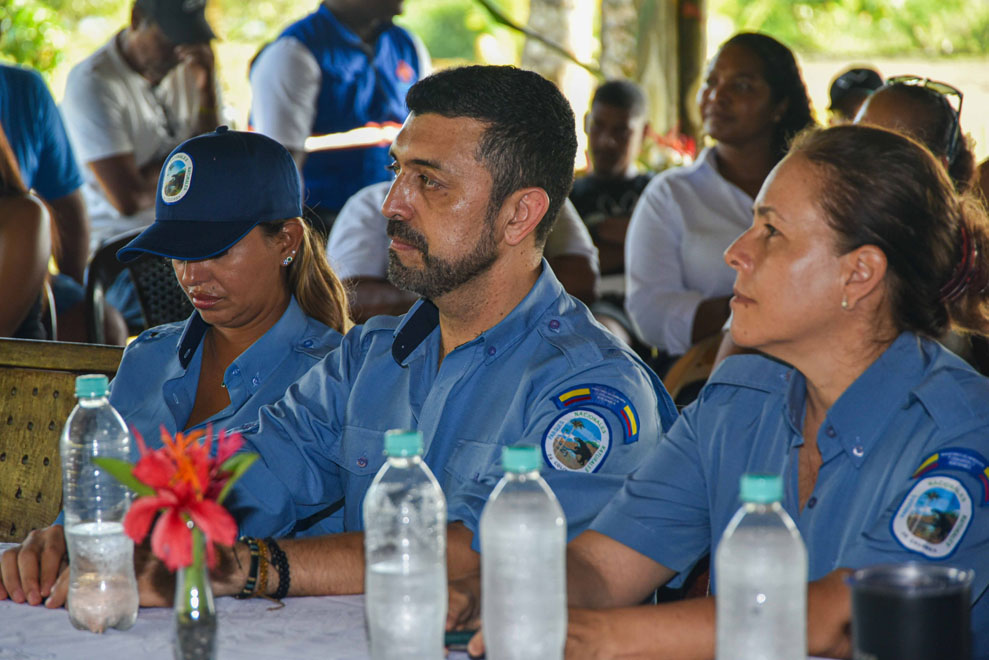
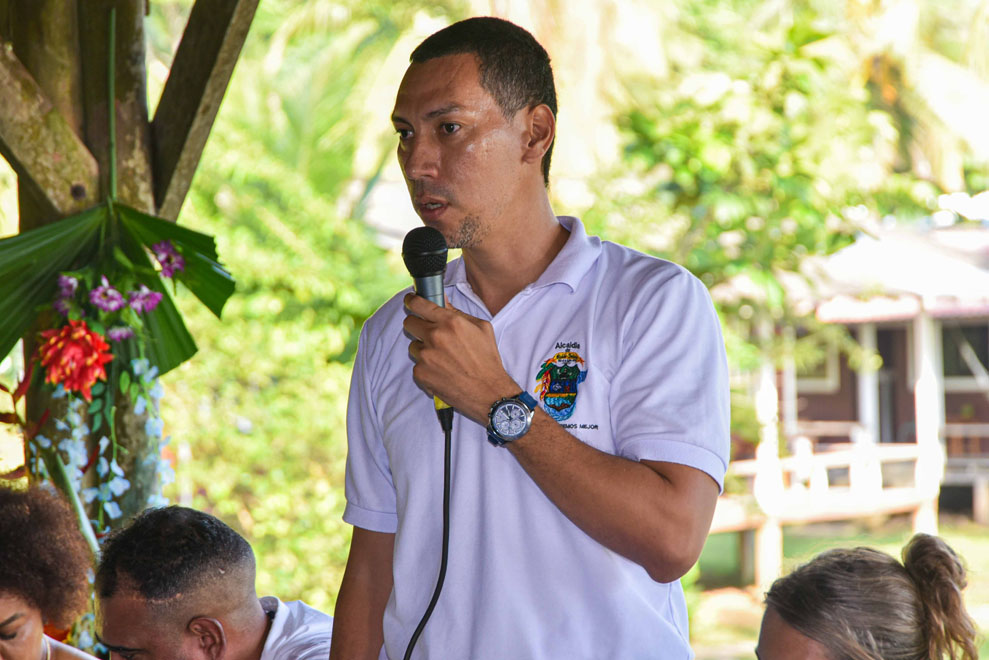
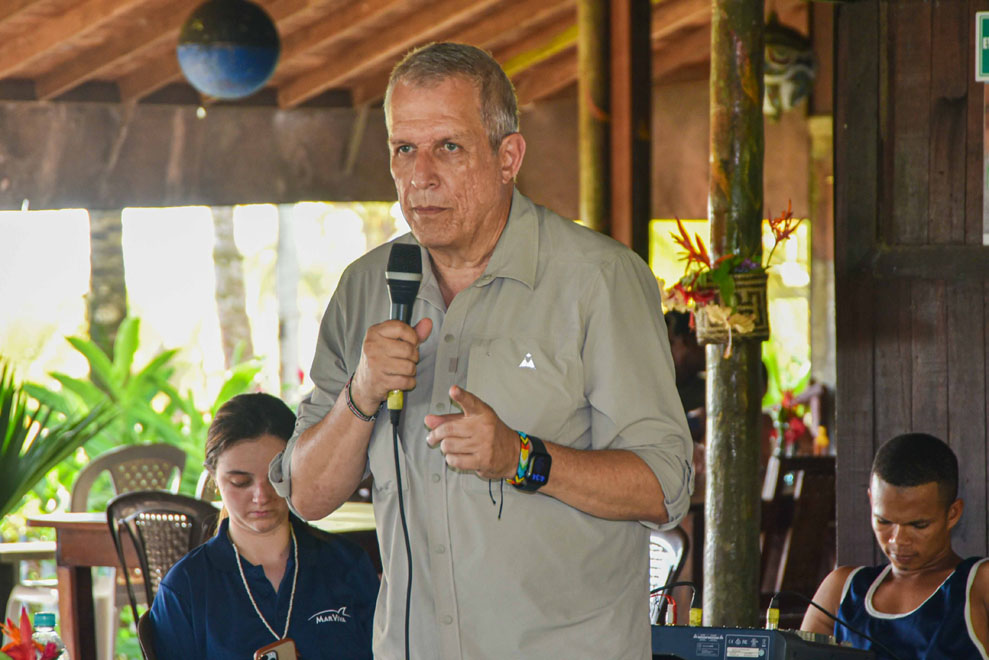
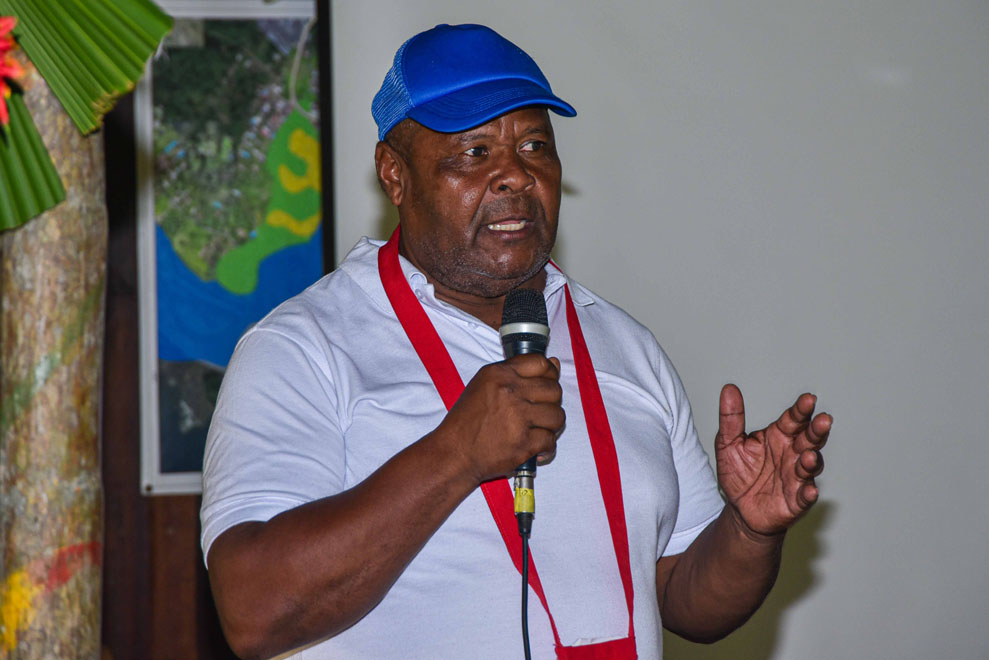
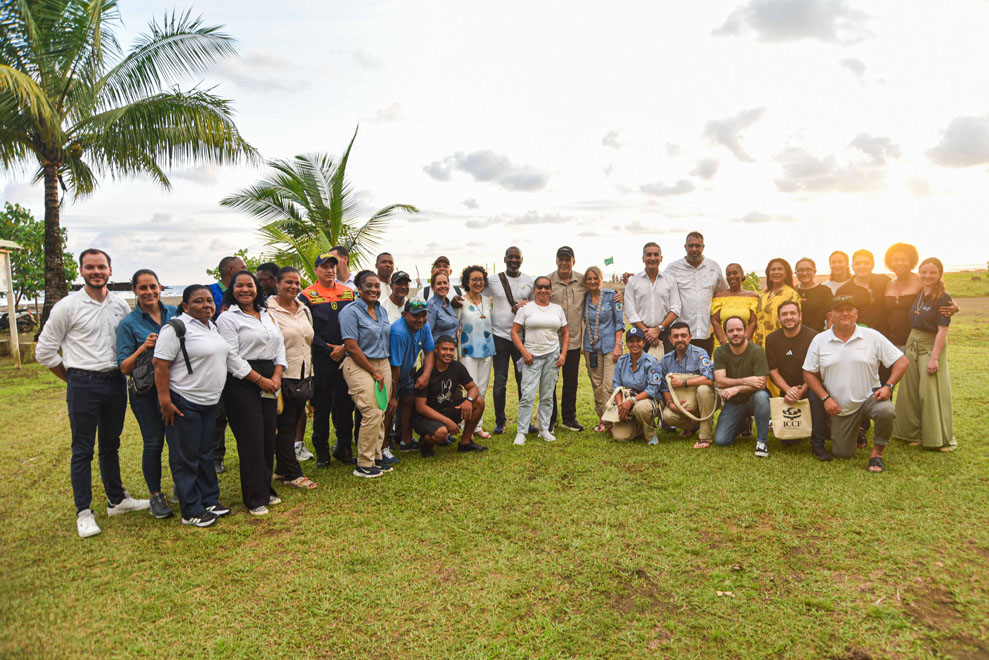
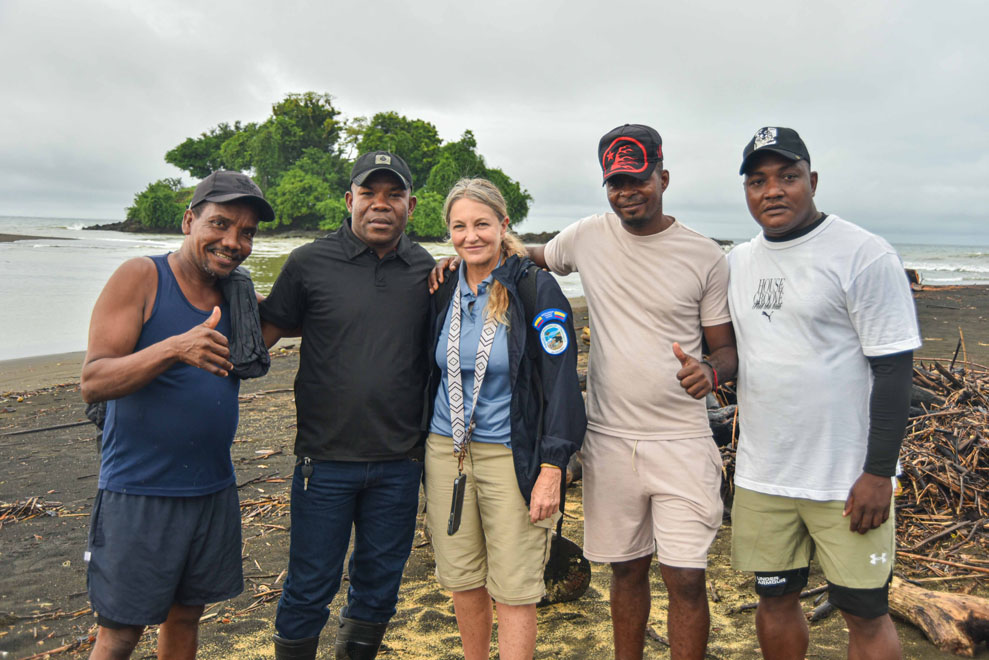
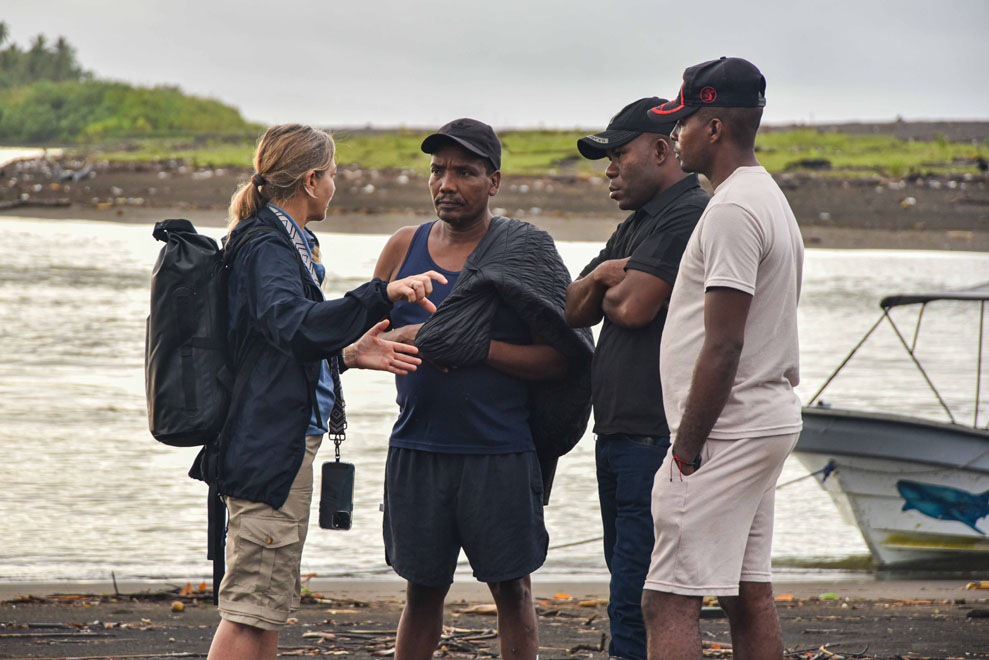
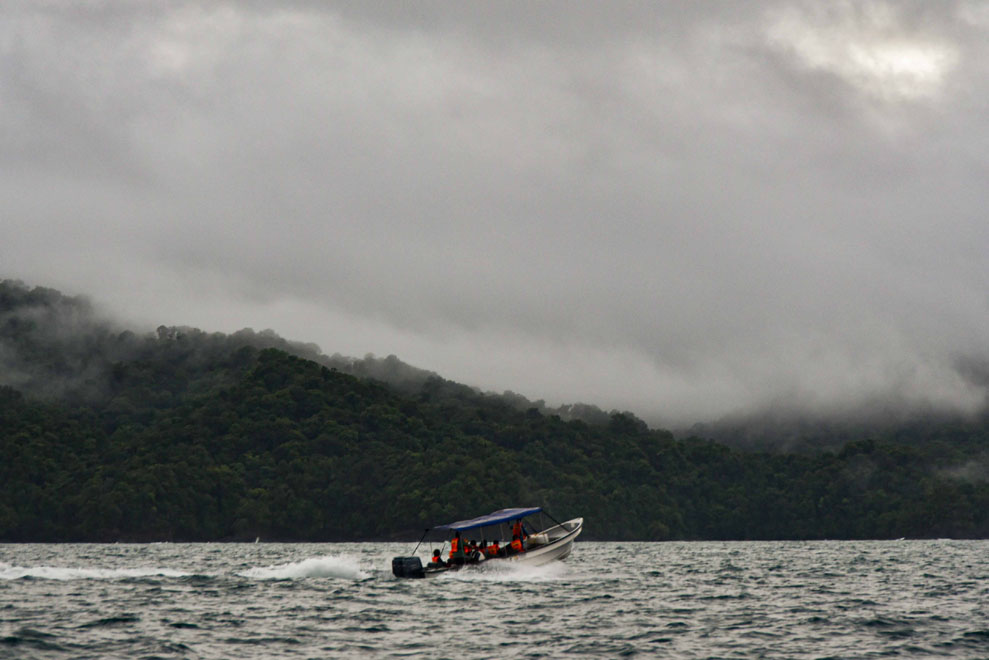
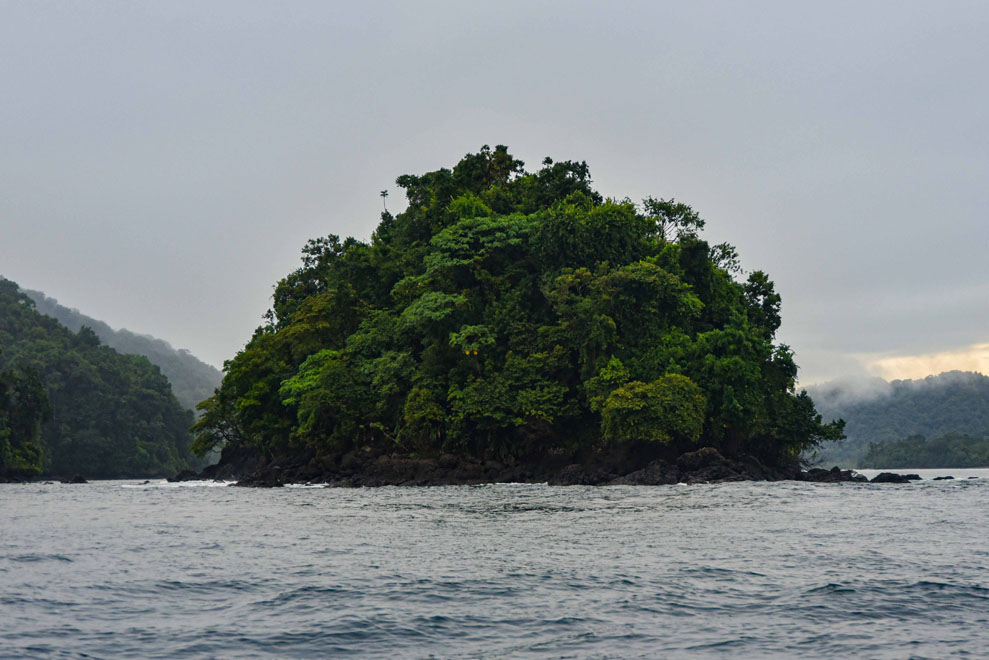
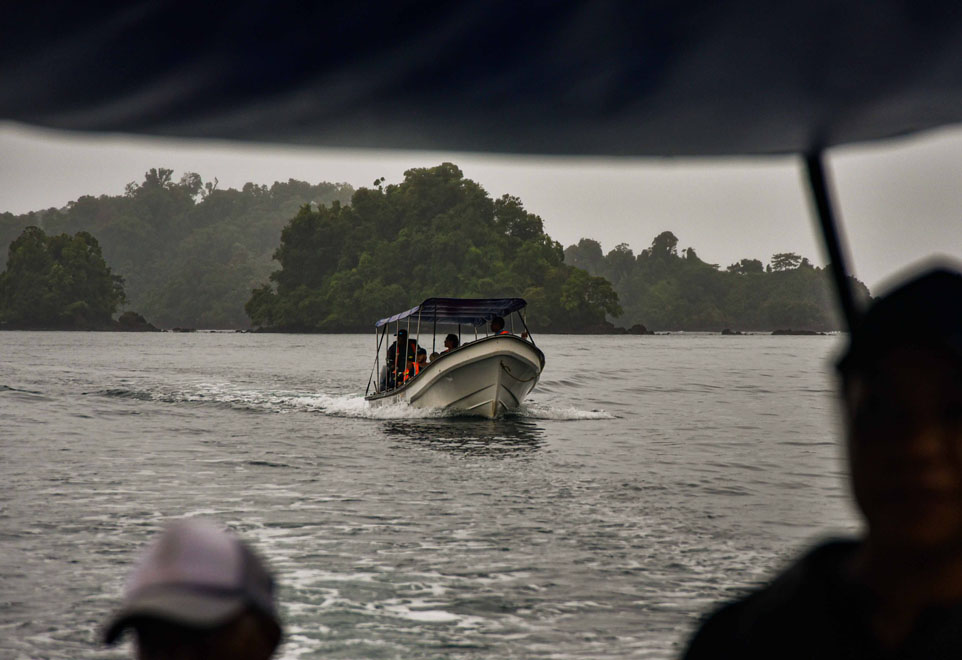
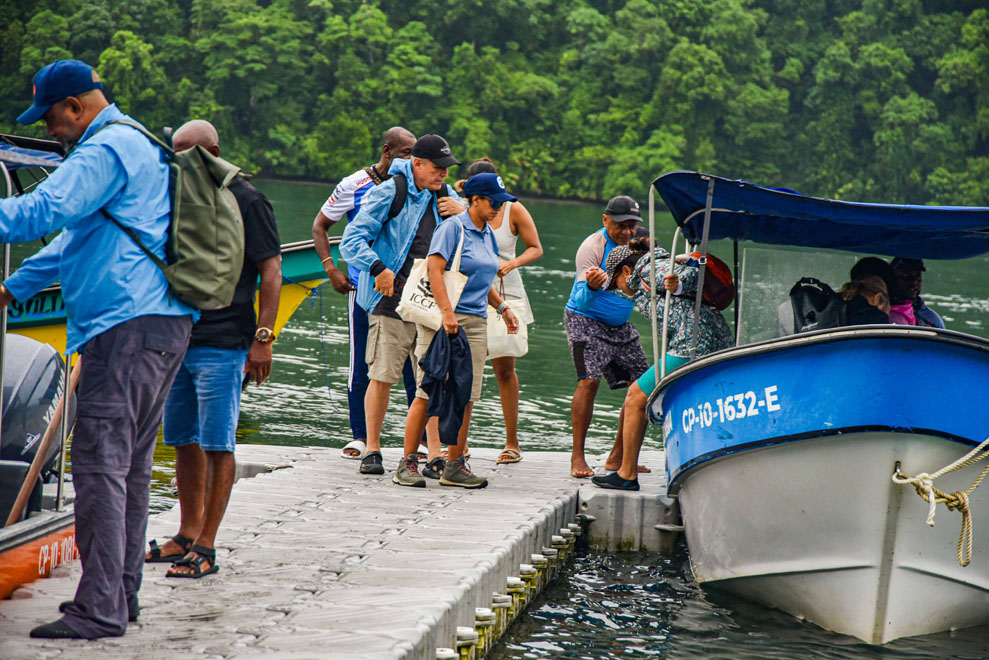
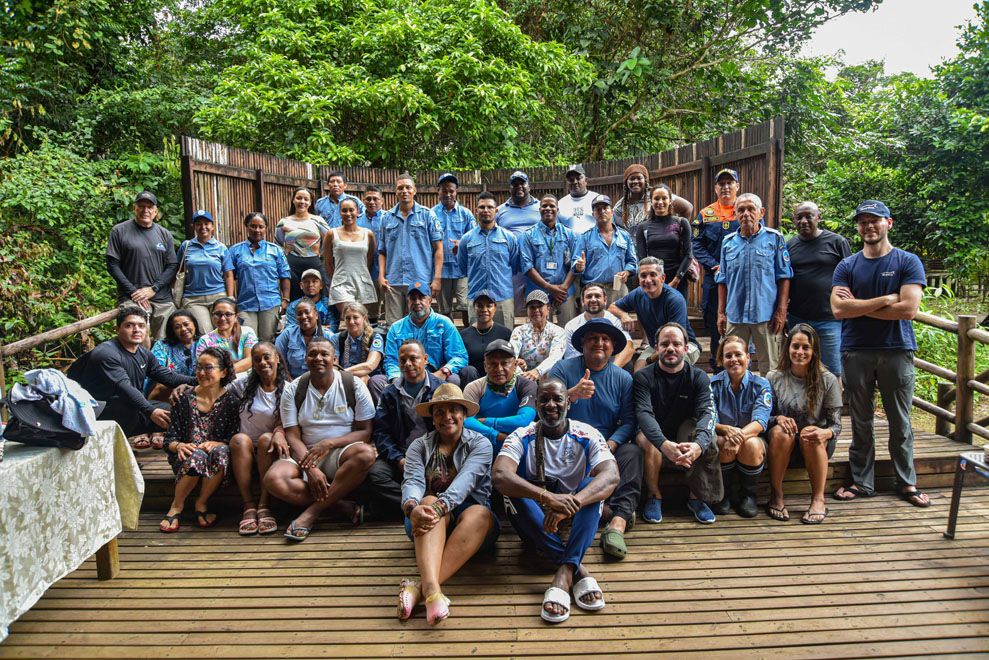
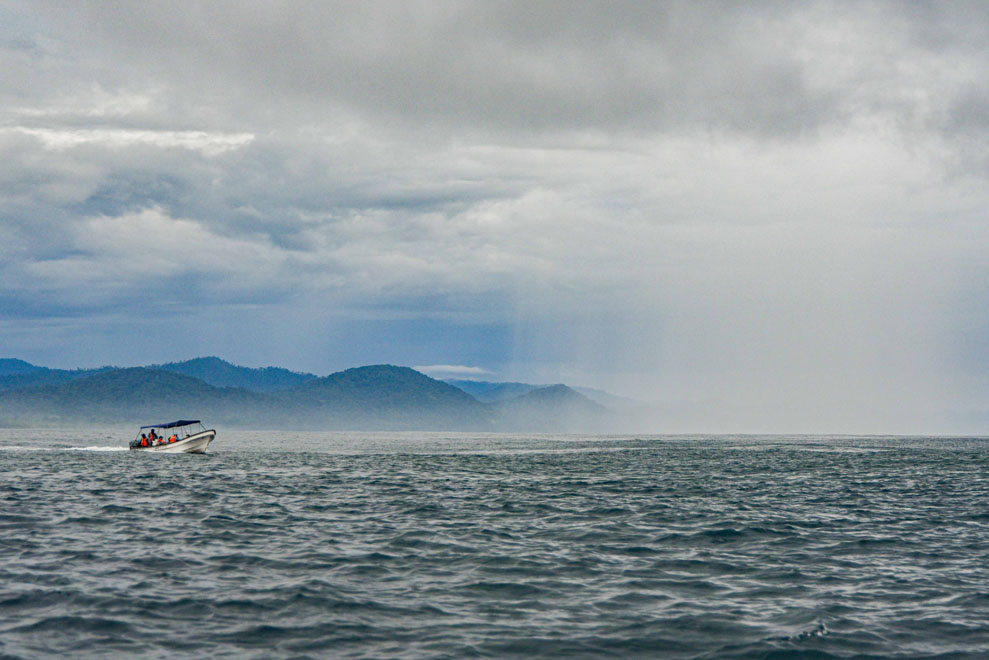
Colombian Members of Congress from the Colombian Conservation and Oceans Caucuses joined national and local authorities, development partners, community representatives, and environmental and fisheries stakeholders for a parliamentary mission to Colombia’s Pacific region. The visit offered a first-hand look at the challenges and opportunities involved in protecting marine and coastal ecosystems while supporting sustainable development in local communities.
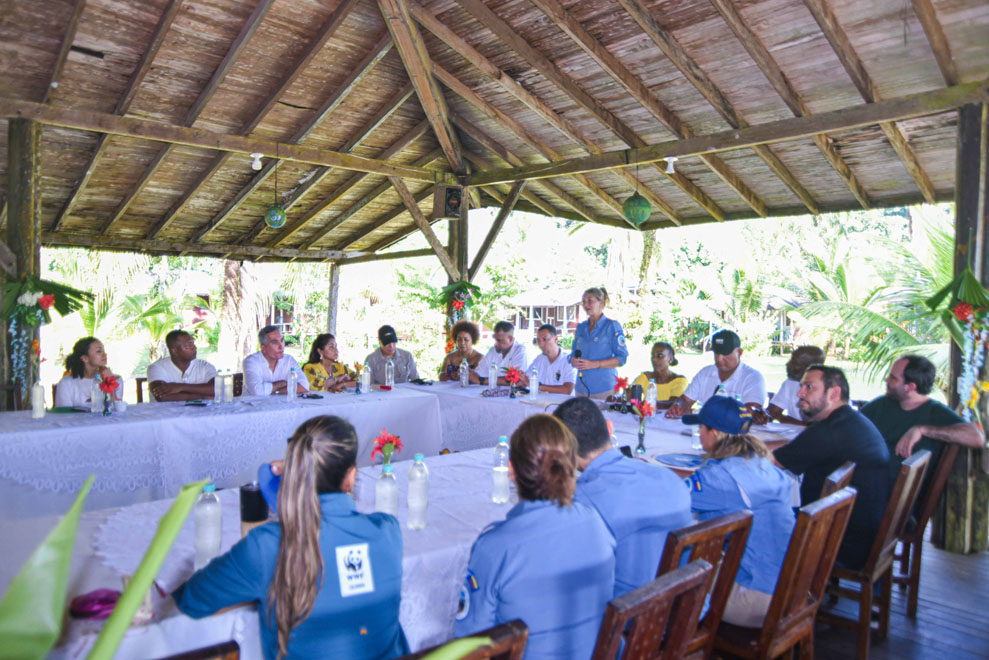
Supported by ICCF Colombia, MarViva, Colombia’s National Natural Parks (PNN), and the Regional Autonomous Corporation for the Sustainable Development of Chocó (CODECHOCÓ), the mission focused on two closely linked priorities: securing sustainable financing for protected areas and strengthening artisanal fisheries and local economies as part of a broader conservation strategy.
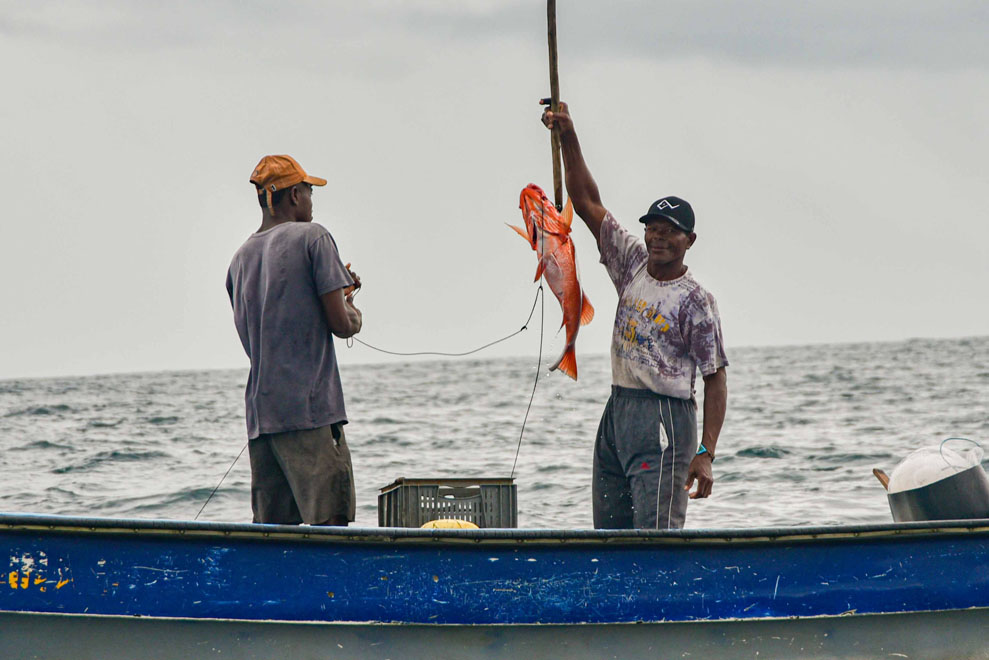
The discussions recognized the many Colombian families whose livelihoods depend on artisanal fishing. For coastal communities, fishing is more than a source of income: it is closely tied to culture and food security.
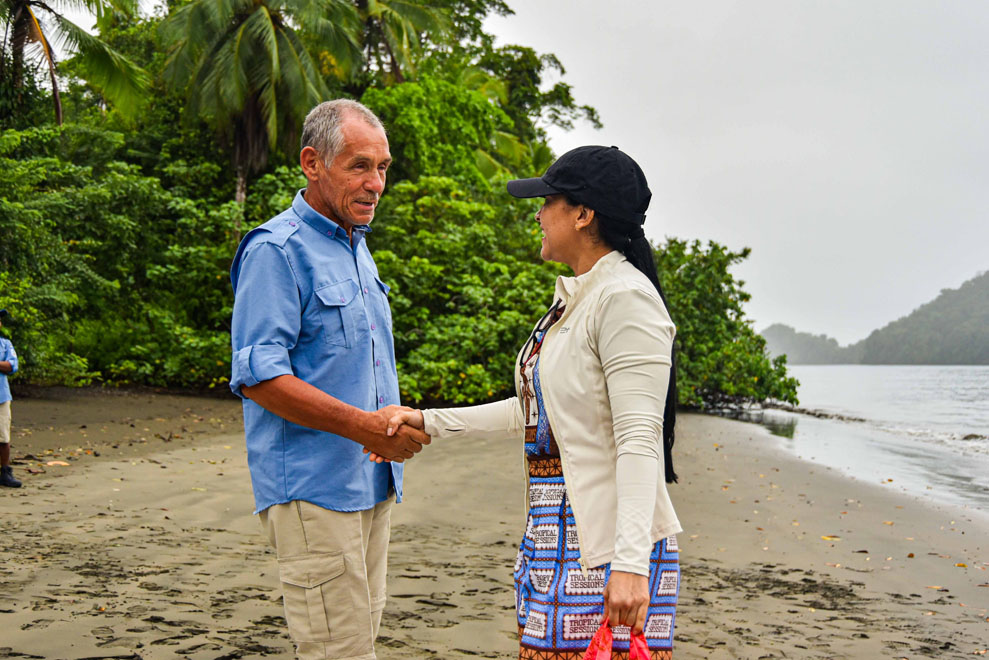
The four-day mission was led by House Representatives Francisco Vidal, Astrid Sánchez, James Mosquera, Diego Fernando Zambrano, Alejandro de la Ossa, Elizabeth Jay-Pang, Franklin Lozano, and Juan Felipe Corzo. They were joined by Sandra Bessudo, Director of PNN; Arnold Rincón, Director of CODECHOCÓ; and Juan Rodrigo Alvarado, Director of the National Aquaculture and Fisheries Authority (AUNAP).
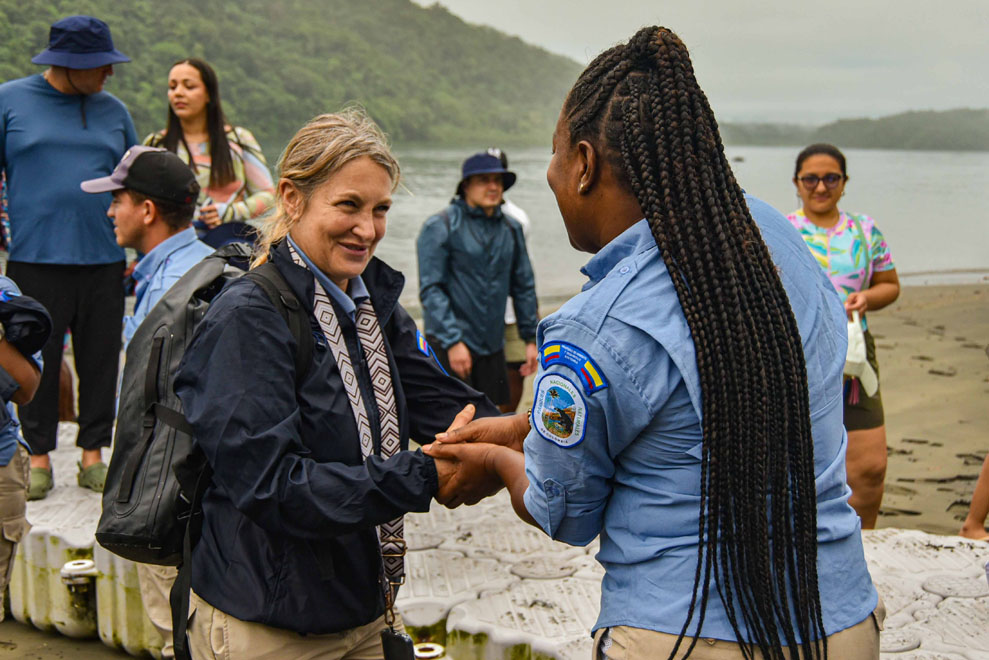
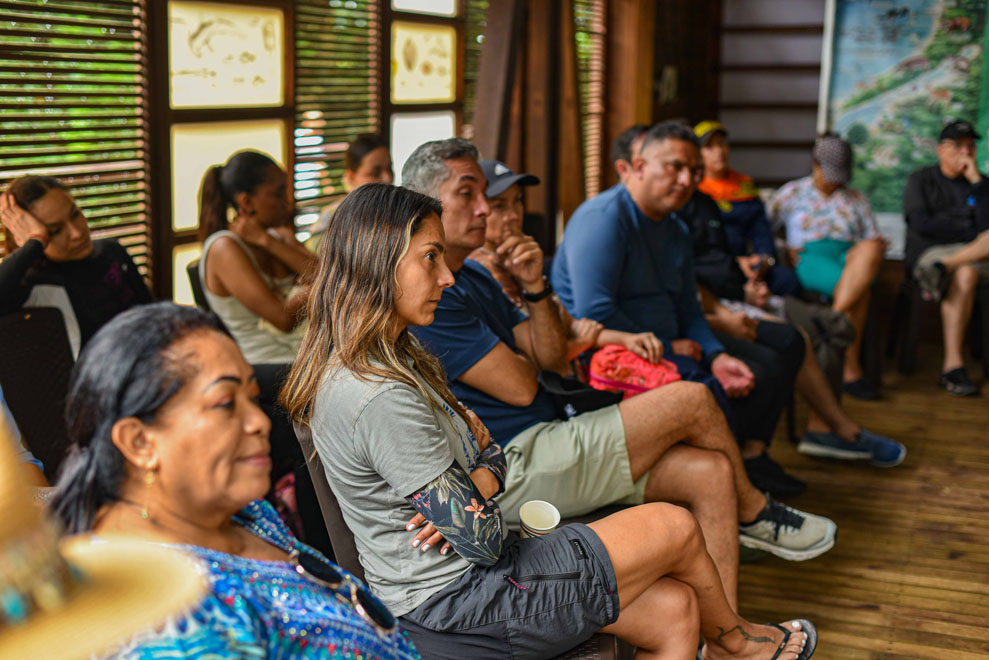
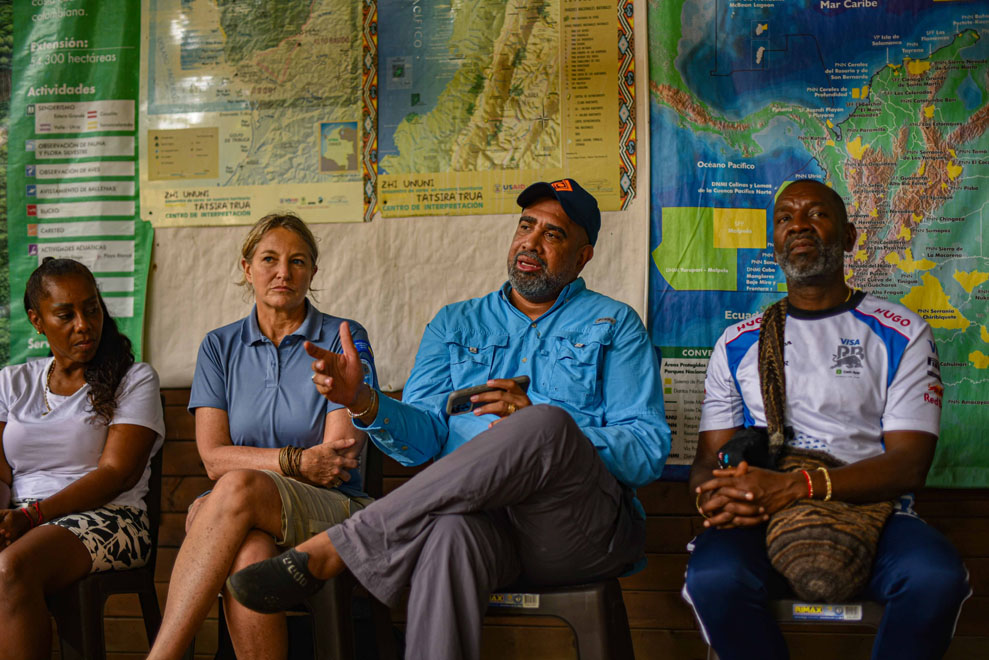
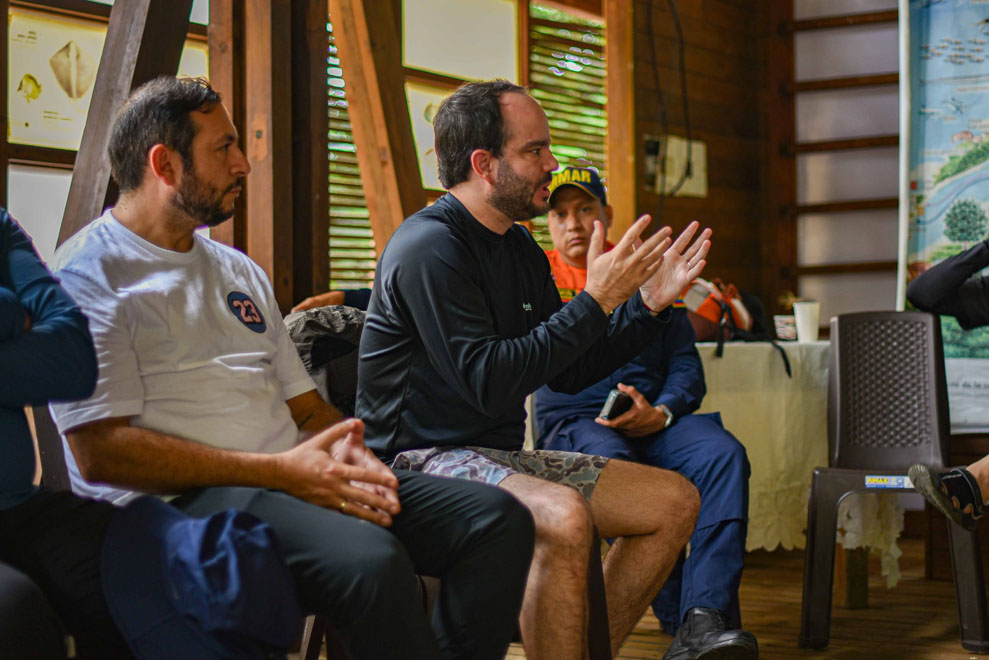
Participants also included representatives from the Ministries of Environment and Sustainable Development and of Agriculture and Rural Development; the Mayor’s Office of Bahía Solano; civil society and community organizations, including Community Councils; and local fishing organizations. The delegation combined working sessions with visits and activities across the region.
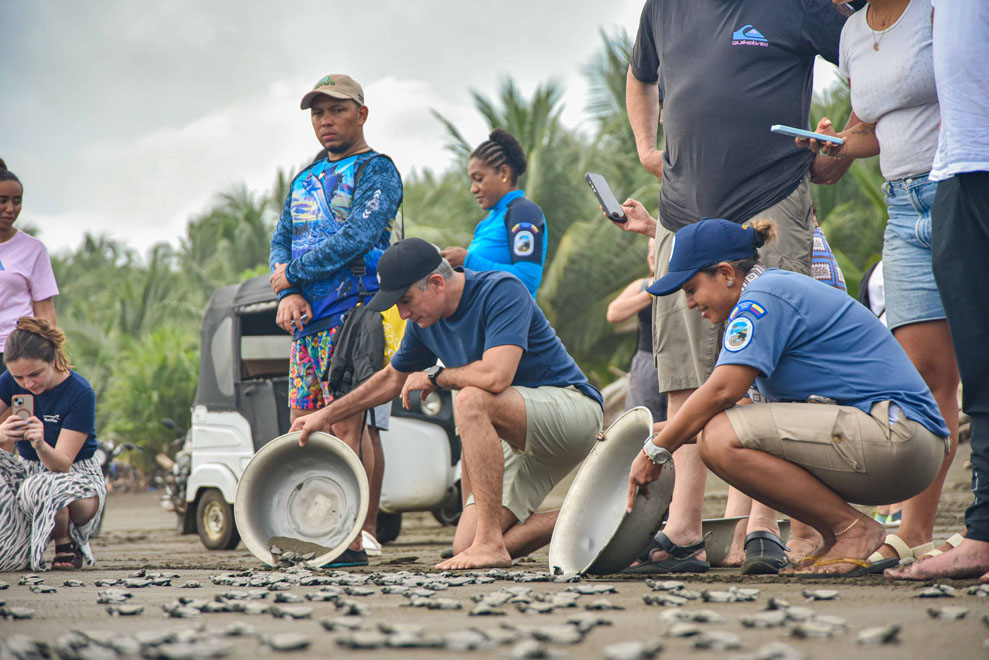
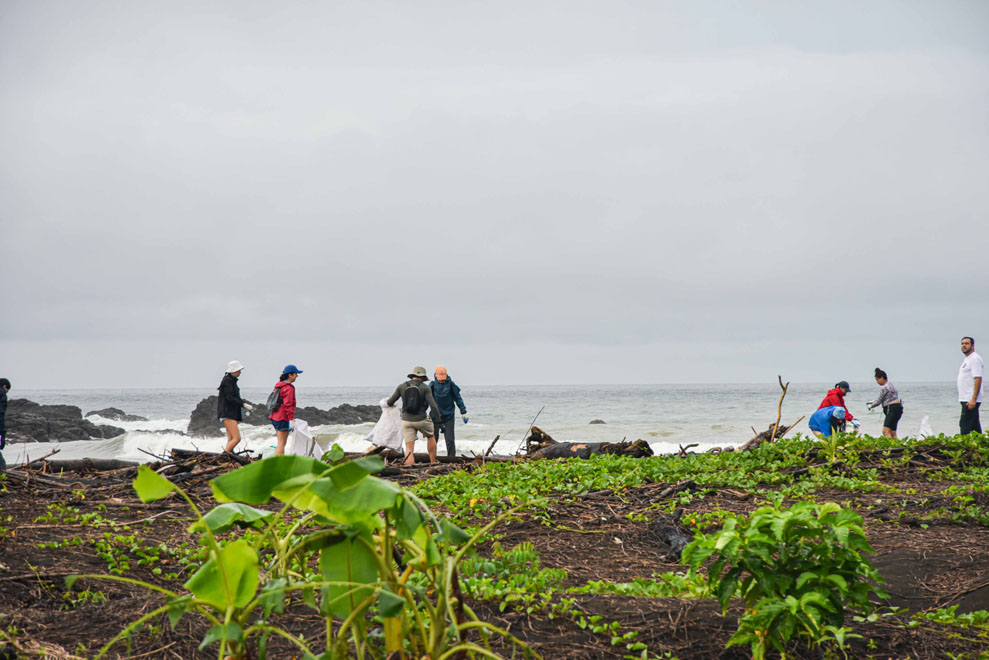
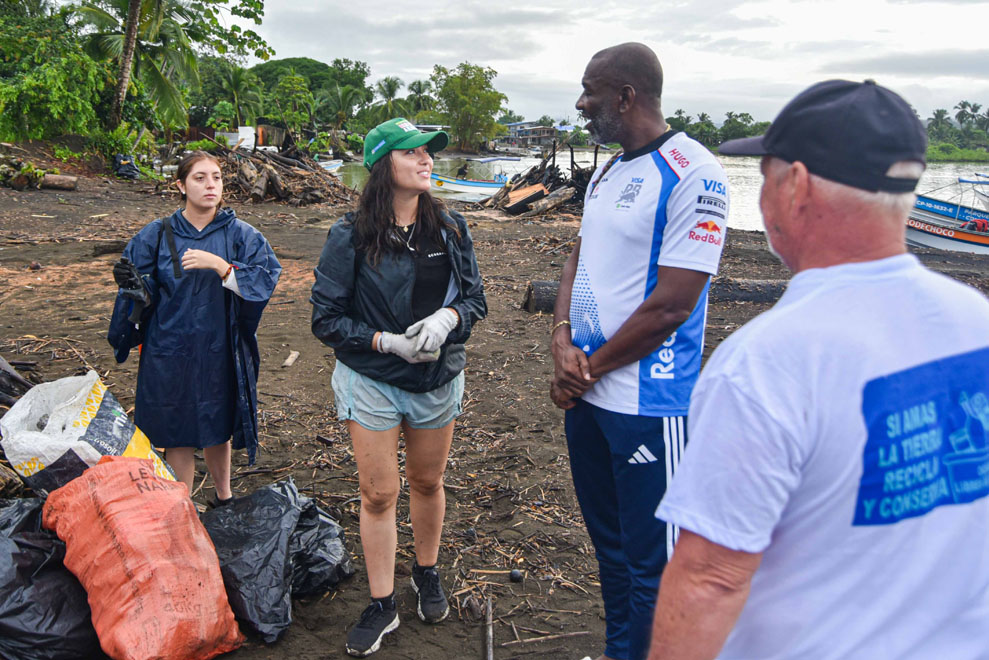
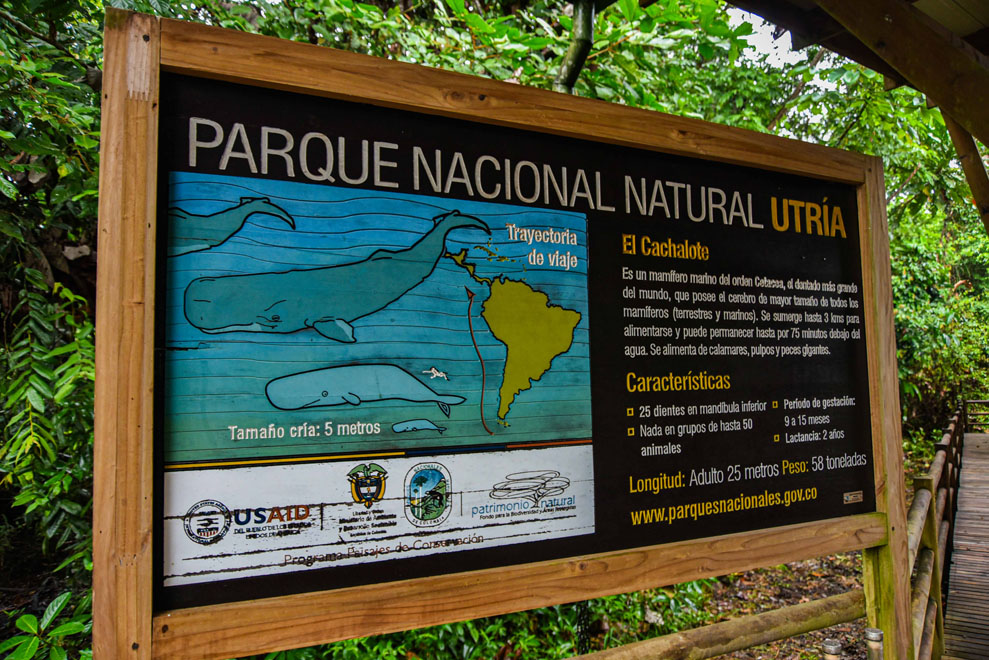
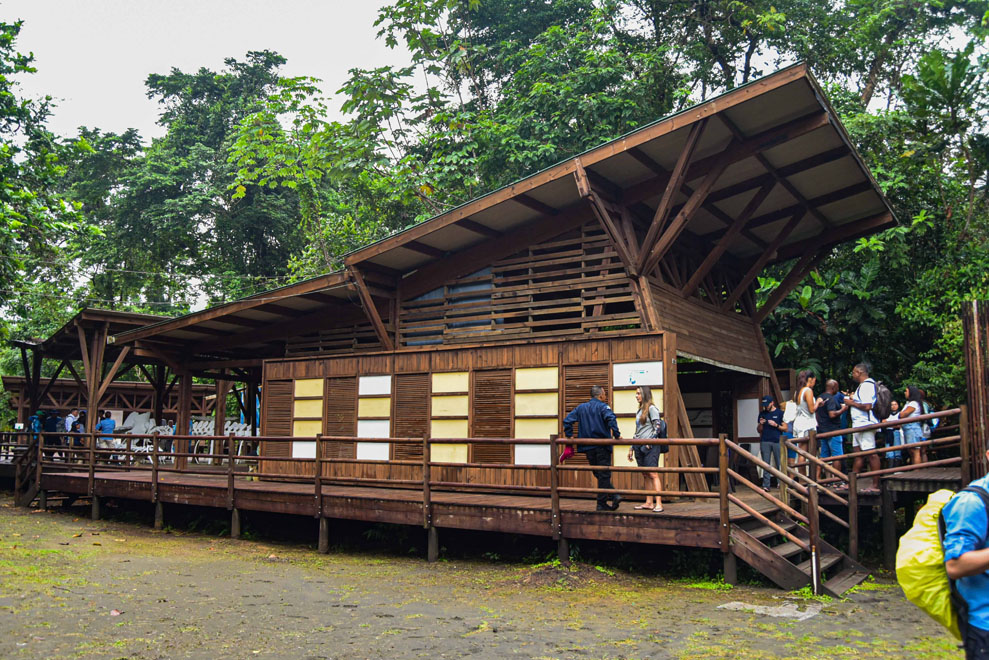
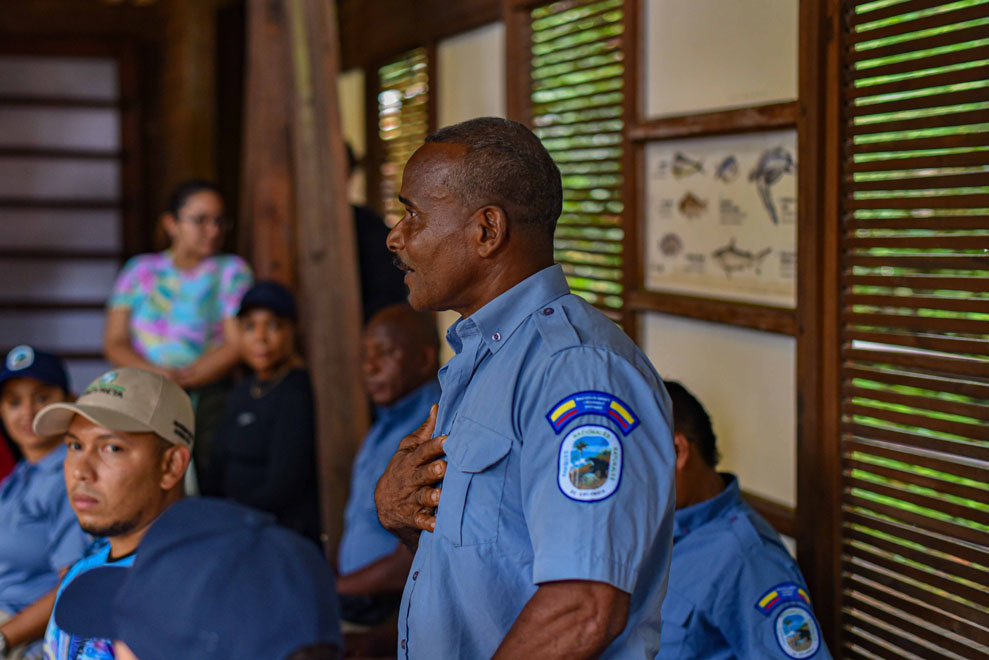
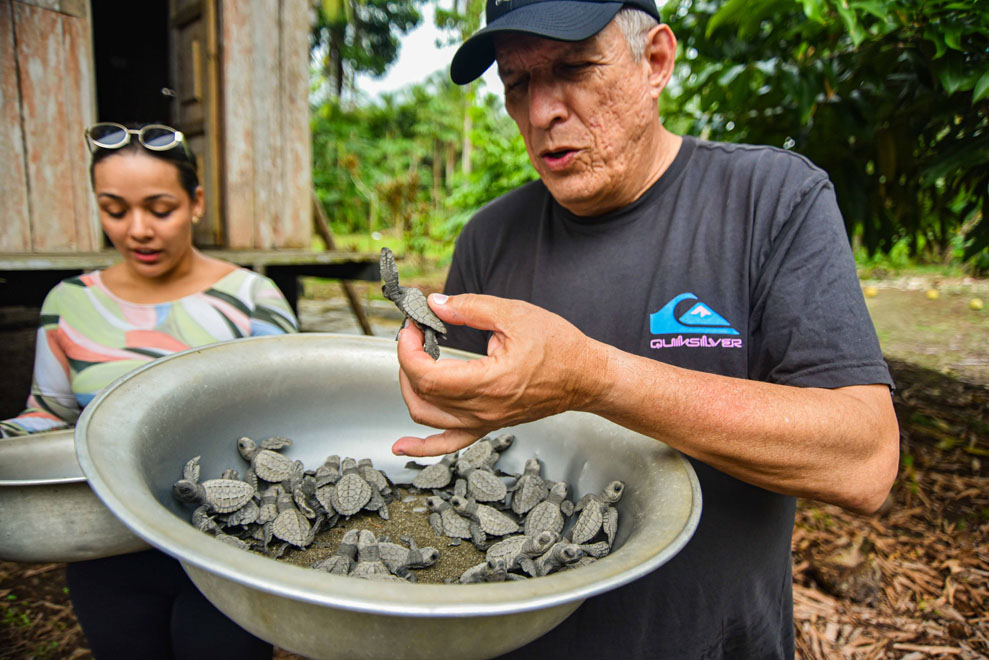
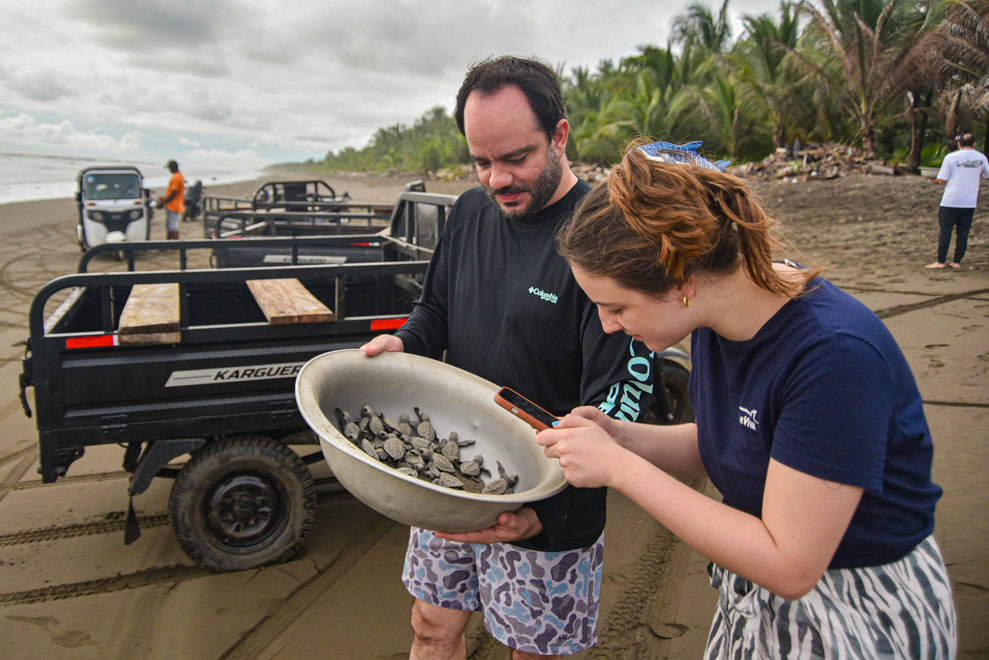
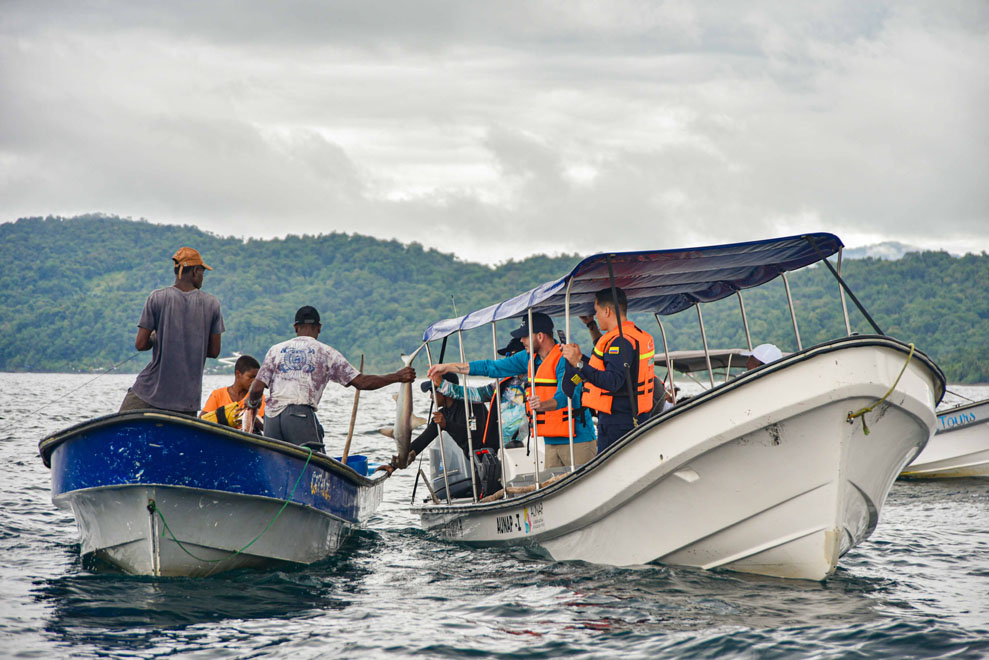
The agenda covered the protection and financing of marine protected areas and artisanal fisheries. It also included a visit to Utría National Natural Park, examples of conservation-based tourism, an artisanal fishing activity, cultural showcases, and a green and blue business fair. Together, these experiences offered a broader view of the opportunities and pressures shaping the Pacific region.
Participants also heard about legislative initiatives to strengthen artisanal fisheries and protect marine and coastal ecosystems, including the Bill on Strengthening Artisanal Fisheries in the Chocó Pacific Region and the Bill on Guardians of the Sea and Coasts.
A central conclusion was the need for closer coordination among Congress, national and local governments, communities, and conservation organizations. Decisions on conservation and development, participants emphasized, should reflect the realities of the territory.
The mission also highlighted a set of connected priorities: sustainable financing for protected areas, including visitor and staff infrastructure and park operations; community-based ecotourism; stronger artisanal fisheries and sustainable value chains; more local economic opportunities; better sanitation and health services; and restoration of native timber species. Together, these priorities point toward a shared agenda: conserving biodiversity while creating the conditions for sustainable development in Colombia’s coastal and marine municipalities.
The visit underscored the importance of turning dialogue into action through appropriate policy and regulatory frameworks, along with investment and management mechanisms that can sustain conservation over the long term. Its message was clear: protecting Colombia’s Pacific region requires coordinated action and solutions shaped by the people who live there—recognizing both the ecological value of its ecosystems and the vital role of communities that have long depended on them.
For ICCF Colombia, the exchanges offered an opportunity to bring decision-makers closer to local realities and contribute to informed dialogue on the policies, resources, and partnerships needed to advance a more sustainable Colombian Pacific.


 Regional Headquarters