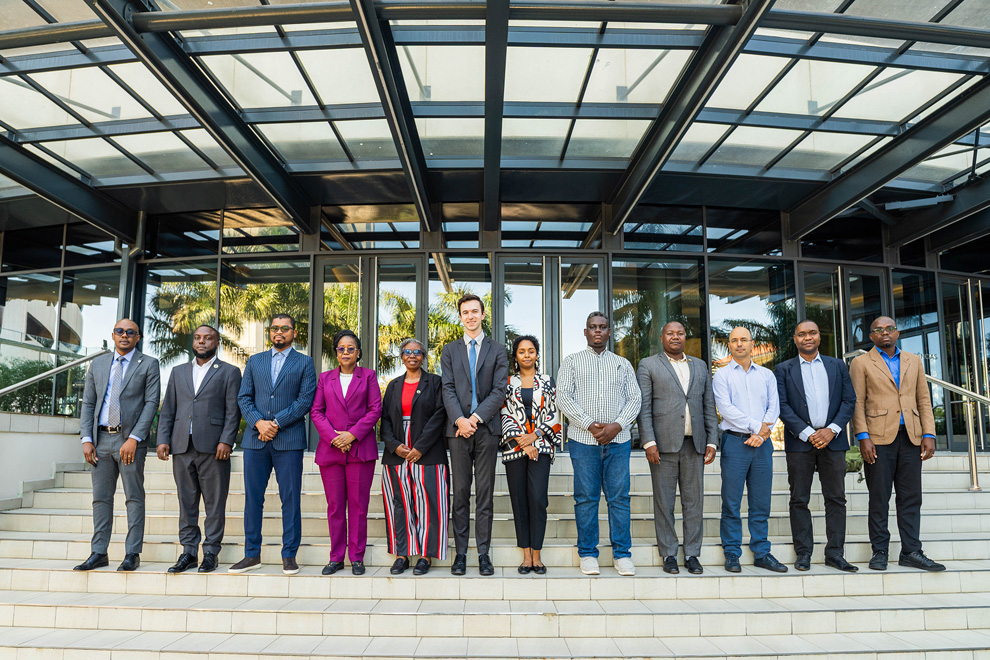
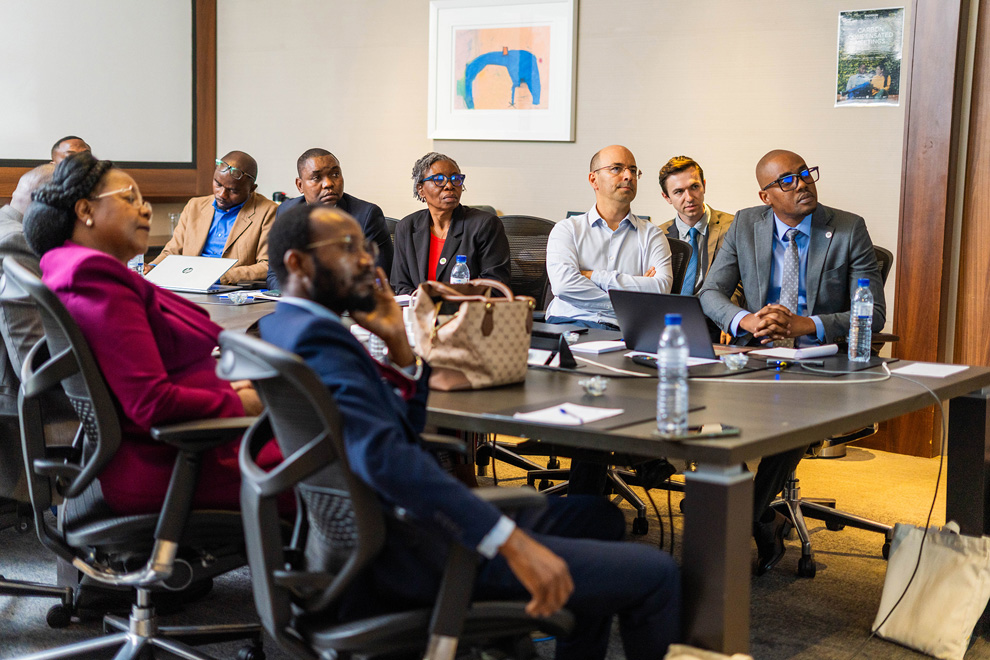
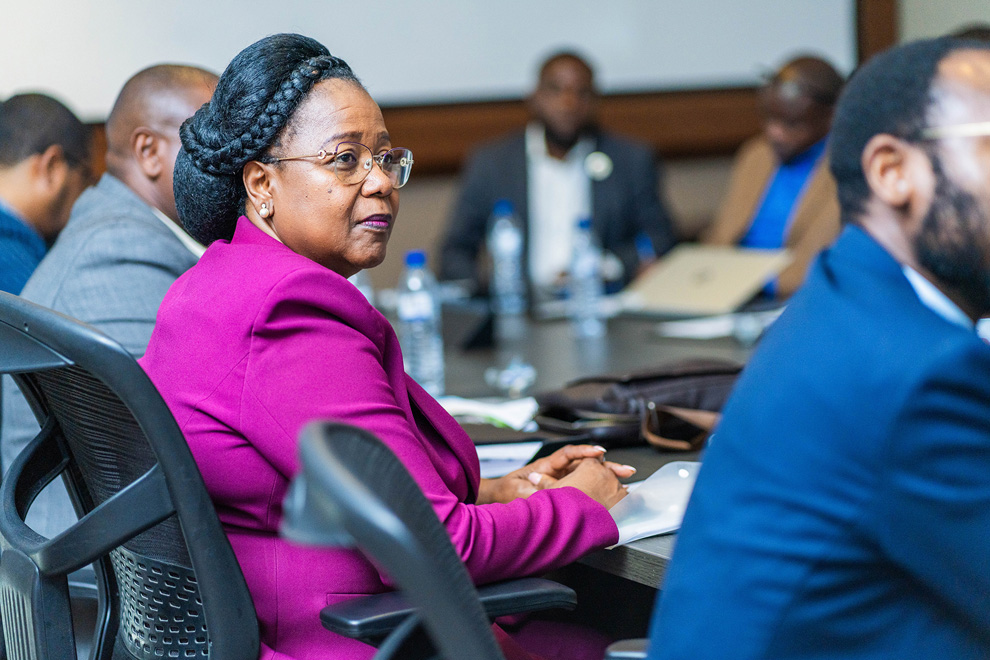
On October 13, 2026, the ICCF Group hosted a parliamentary briefing session in Maputo, Mozambique. It was the first in a series of briefings focusing on how nature supports the economy and how conservation can be financed. Five lawmakers from three commissions of Mozambique’s Assembly of the Republic took part: Hon. Alberto Valoi and Hon. Gil Aníbal of the 5th Commission (Agriculture, Economy and Environment) and the leadership of the 3rd Commission and the 1st Commission.
They were joined by:
- The National Administration of Conservation Areas (ANAC)
- Biofund, Mozambique’s conservation trust fund
- The UN Development Programme’s Biodiversity Finance Initiative (BIOFIN)
- The SPACES program, a consortium that helps countries deliver the Global Biodiversity Framework
- Conservation specialist Madyo Couto
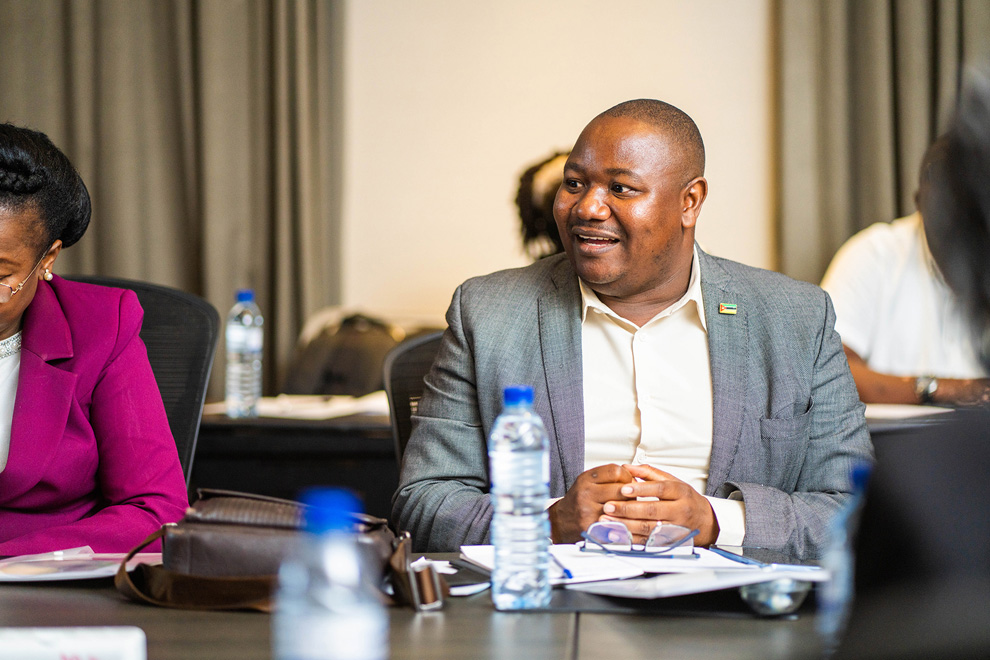
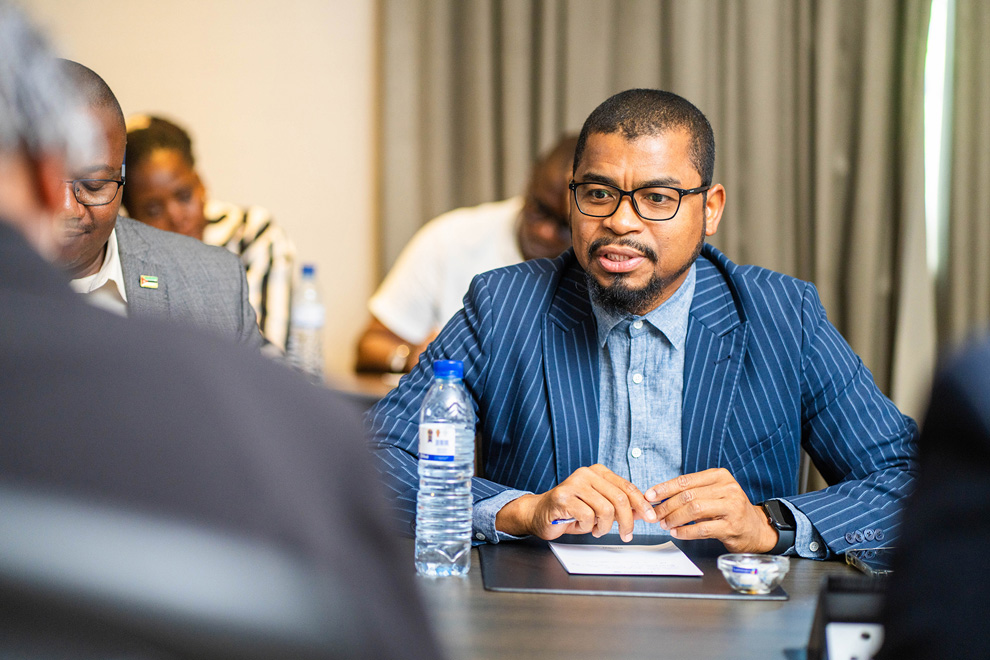
Hon. Alberto Valoi
Opening the session, Hon. Valoi asked participants to clarify four things: how a nature-based economy works, how biodiversity offsets function, how a conservation fund could support the State budget and local communities, and how Mozambique can capture more value from carbon markets.
Mr. Couto outlined the economic case for biodiversity. In central Mozambique, the 44 rivers that rise in Chimanimani National Park supply 30% of the Búzi basin, which feeds the Chicamba and Mavuzi hydropower dams. By keeping water flowing and limiting erosion, the park’s intact ecosystems help secure the country’s electricity supply. Protecting them is an investment in energy infrastructure.

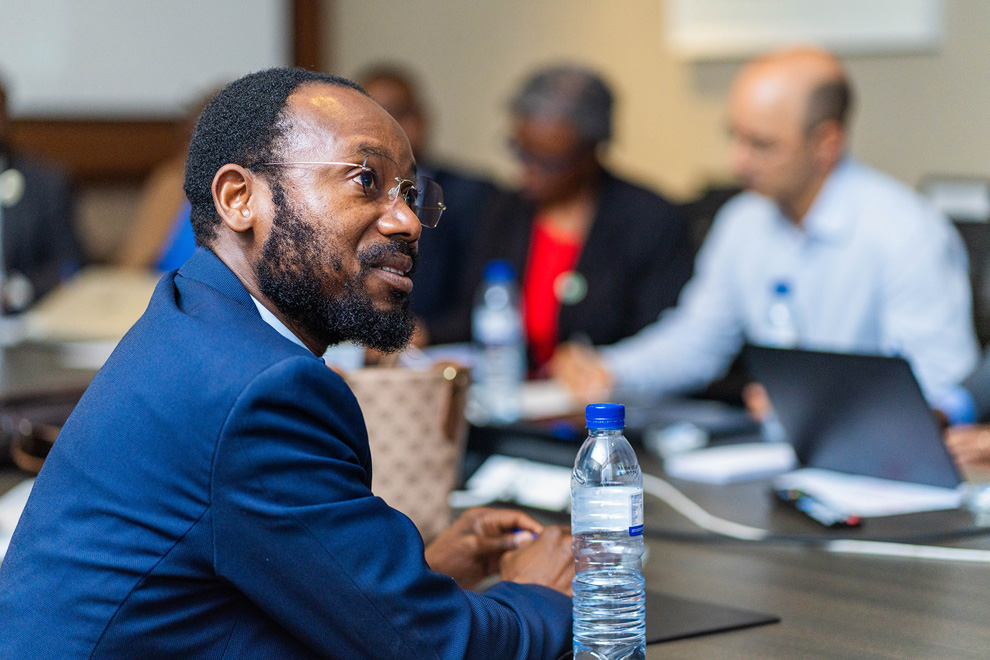
Conservation specialist Madyo Couto
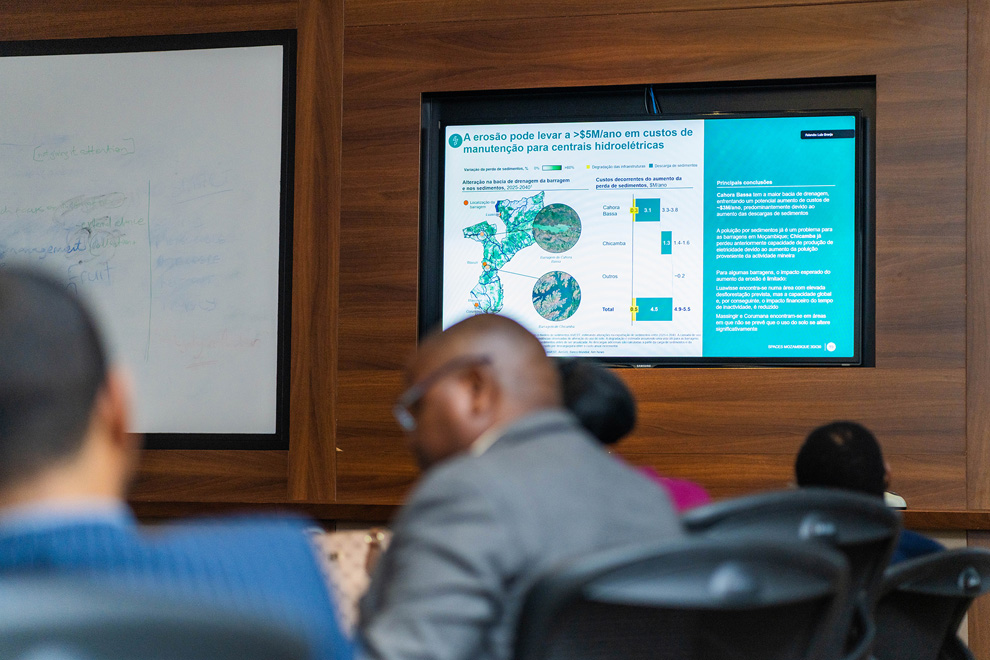
Luís Granja of the SPACES program and McKinsey presented preliminary analysis suggesting that conservation could support US$0.7–1.2 billion in economic activity per year by 2040, including US$480 million annually from tourism in protected areas. Reaching that potential would require fully funding the management of Mozambique’s protected areas, at an estimated US$125–140 million per year. Current funding leaves a gap of US$50–65 million per year. Two sources could close that gap:
- Carbon credits from mangrove and forest restoration, worth up to US$35 million per year.
- Biodiversity offsets, worth US$105–135 million per year. Offsets alone would be more than enough to close the gap. Mozambican law has provided for them since 2022, and they would cost roughly 0.4% of revenues from the mining, oil and gas, and hydropower sectors.
In the discussion that followed, Hon. Aníbal asked how to balance mining with conservation and how to reduce erosion and sedimentation in the country’s dams. Mr. Granja pointed to two answers: applying the biodiversity offsets law, with industry drawing on technical conservation expertise, and building long-term partnerships between dam operators and the managers of conservation areas in their watersheds. Hon. Lucília Hama asked how Mozambique could reach the US$1.2 billion potential through jobs and tourism. Participants also noted that nature usually reaches parliamentary debate as human–wildlife conflict. They called for a broader understanding of its economic value.
Closing the session, Hon. Valoi said the briefing had changed how members see nature: as an interdependent system that underpins the economy. He called for deeper engagement with Biofund, ANAC, and other partners.
Two further briefings are planned for November and December 2026, alongside continued technical exchange as Parliament reviews Mozambique’s Environment Law.

 Regional Headquarters
