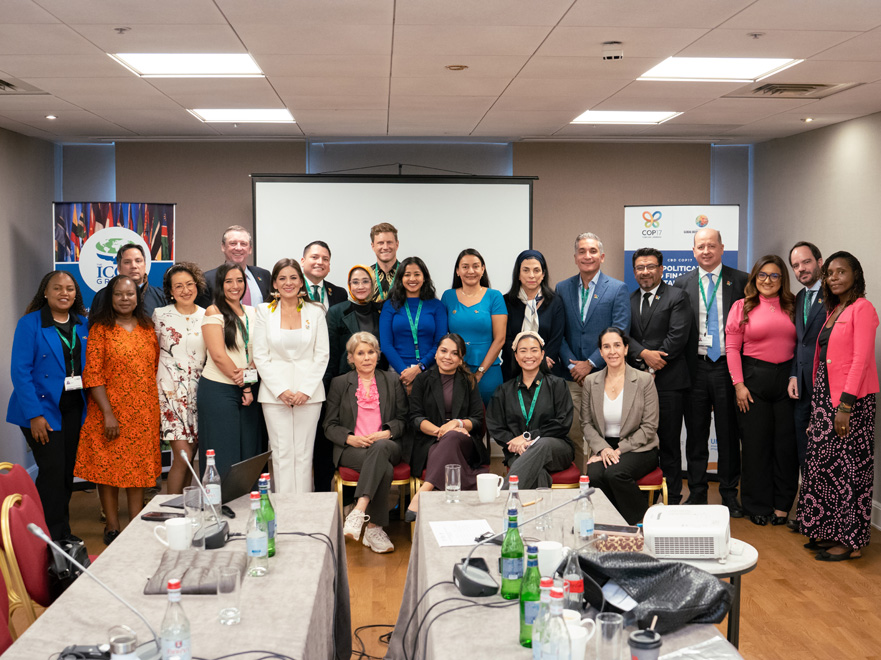
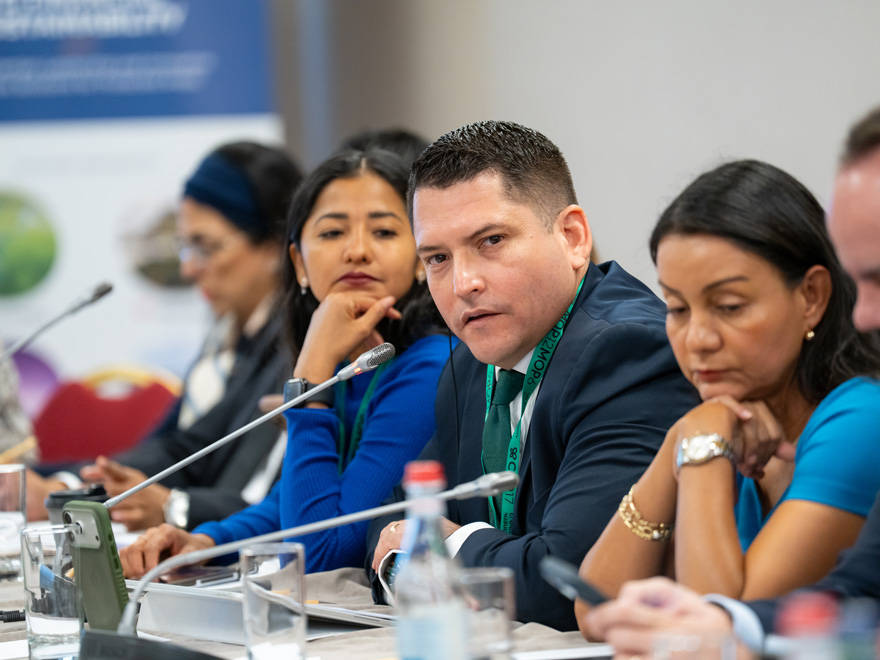
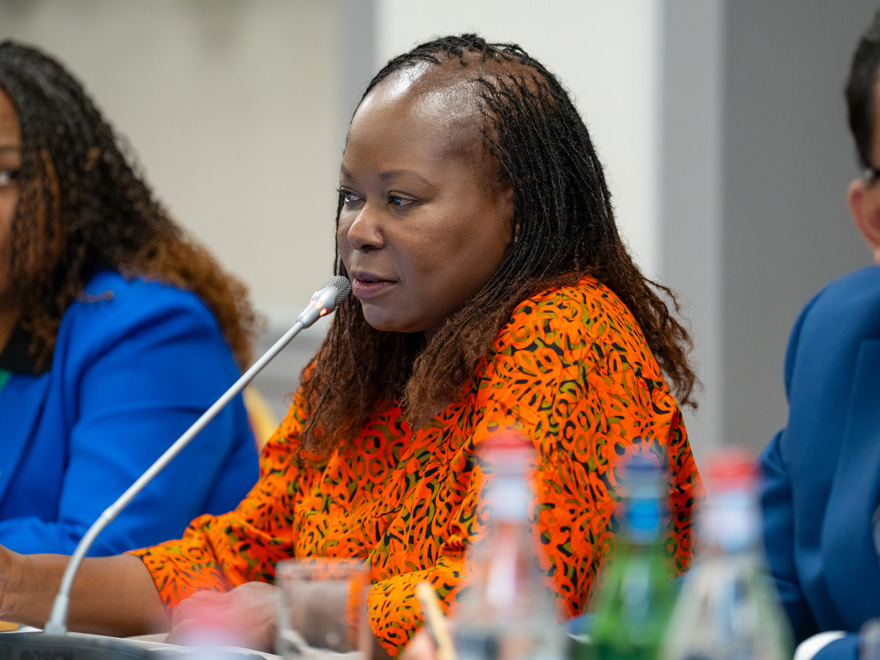
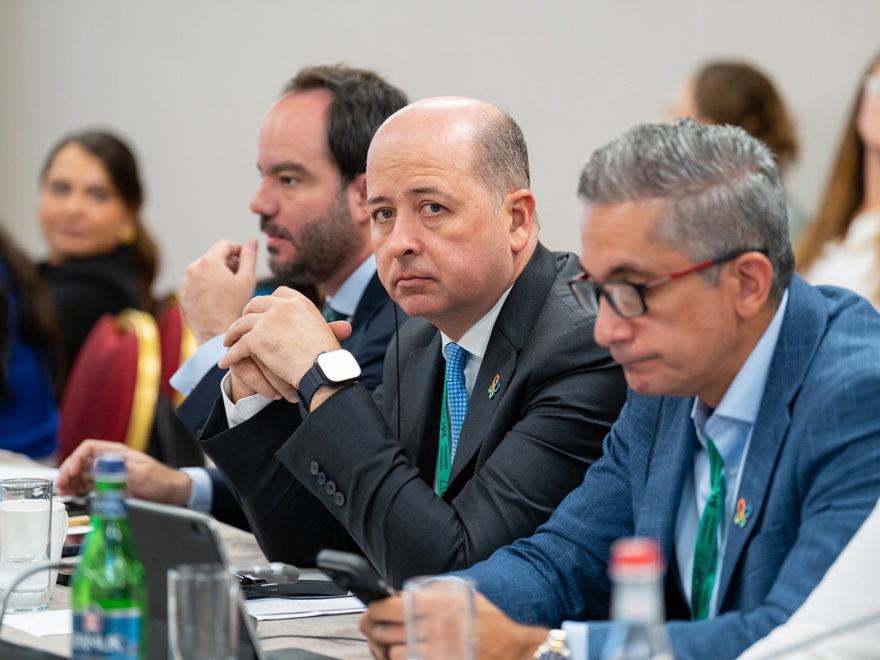
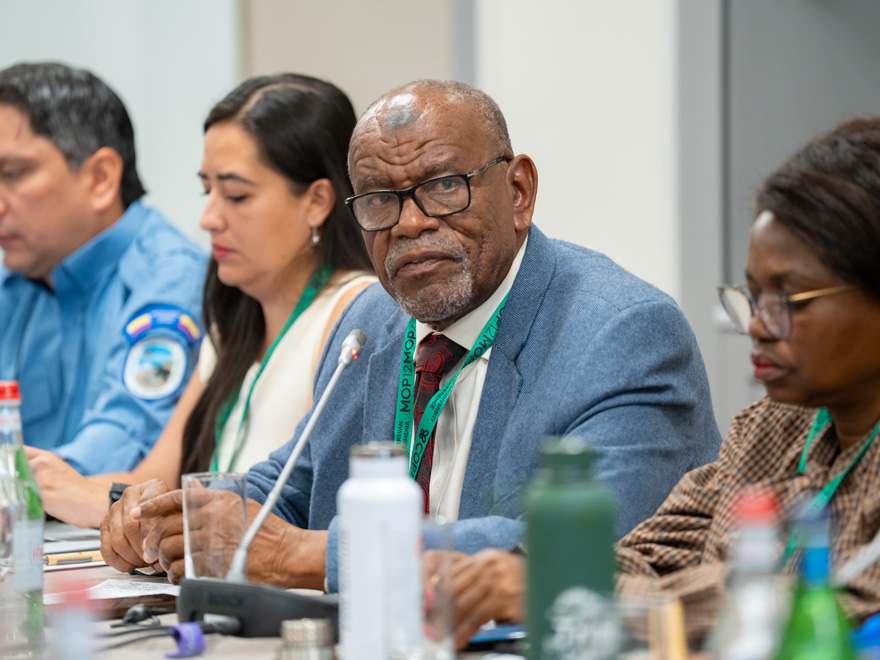
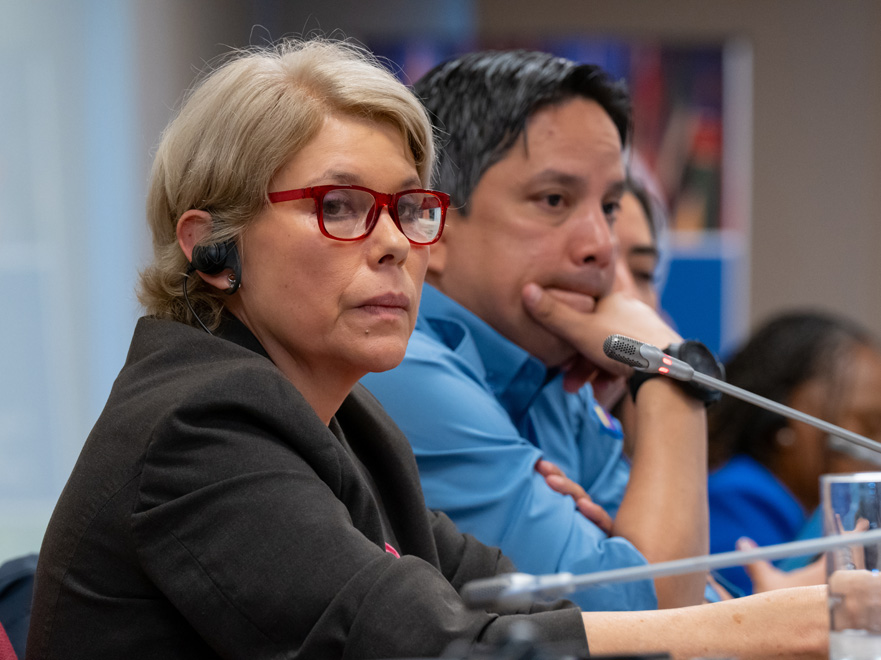
The event, “From Political Will to Financial Sustainability: Parliamentary Leadership and Innovative Financing Solutions for Protected Areas,” brought together legislators and officials from Colombia, Ecuador, Indonesia, Kenya, and Mexico to share practical policy solutions for funding protected area systems over the long term.
The discussion built on an initiative funded by the Global Environment Facility (GEF), implemented by the UN Environment Programme (UNEP), and executed by the ICCF Group. Through country-level policy briefs, the initiative has identified each country’s financing challenges, existing and potential financing mechanisms, and policy recommendations.
Turning commitments into financing
Participants agreed that securing protected areas takes more than finding new sources of money. It also requires:
- sound legal and regulatory frameworks
- adequate budget allocations
- clear institutional responsibilities
- effective implementation
Legislators shape the laws, oversight, and accountability that make new financing mechanisms possible. Government agencies turn those frameworks into financing strategies and action on the ground.
Five countries, shared priorities
- Colombia: Senator Marcos Daniel Pineda and Representatives Franklin Lozano and Alejandro de la Ossa, with Federico Mosquera and Nery Londoño of National Natural Parks of Colombia, discussed the legislative and institutional steps needed to advance the country’s roadmap for sustainable protected area financing.
- Ecuador: Assembly Member Esperanza Rogel and Dominique Fierro Galiano, Director of Biodiversity at the Ministry of Environment and Energy, presented the role of the National Assembly in adopting Ecuador’s new protected areas law and the financing opportunities it creates.
- Indonesia: Members of Parliament Rahayu Saraswati and Rina Sa’adah, with Ahmad Soifullah of the Ministry of Marine Affairs and Fisheries, examined the policy, budget, and institutional measures that can secure long-term financing.
- Kenya: Members of Parliament Dr. Beatrice Adagala and Omar Shimbwa, with Dr. Judith Nyunja of the Wildlife Research and Training Institute (WRTI) and Lucy Muita of the Kenya Wildlife Service (KWS), highlighted the link between legislative priorities, implementation, and resource mobilization.
- Mexico: Representative Gabriela Benavides Cobos, Chair of the Committee on Environment and Natural Resources and Co-Chair of the Mexican Conservation and Sustainable Development Caucus; State Representative Érick Iván Agúndez Cervantes, Chair of the Committee on Ecology and Environment of the Baja California Sur State Congress and Founding Chair of that state’s Subnational Conservation Caucus; Representatives Marcela Guerra Castillo and Azucena Arreola Trinidad; and Dr. José Feliciano González Jiménez, Director General of Institutional Strengthening and International Affairs at the National Commission of Natural Protected Areas (CONANP), discussed legislative priorities, policy reforms, and institutional approaches to financing.
The delegation discussed legislative priorities, policy reforms, and institutional approaches to financing.
Next steps
Across all five countries, one message stood out: lasting financing depends on legislators and government institutions working together. Although each country’s context differs, peer exchange helps identify approaches that work.
Building on the country policy briefs, the next step is a roadmap for action: practical reforms, institutional measures, and financing opportunities for the short, medium, and long term. The ICCF Group will continue to support dialogue among legislators, public and private institutions, and conservation partners as countries take these steps forward.
 Regional Headquarters
