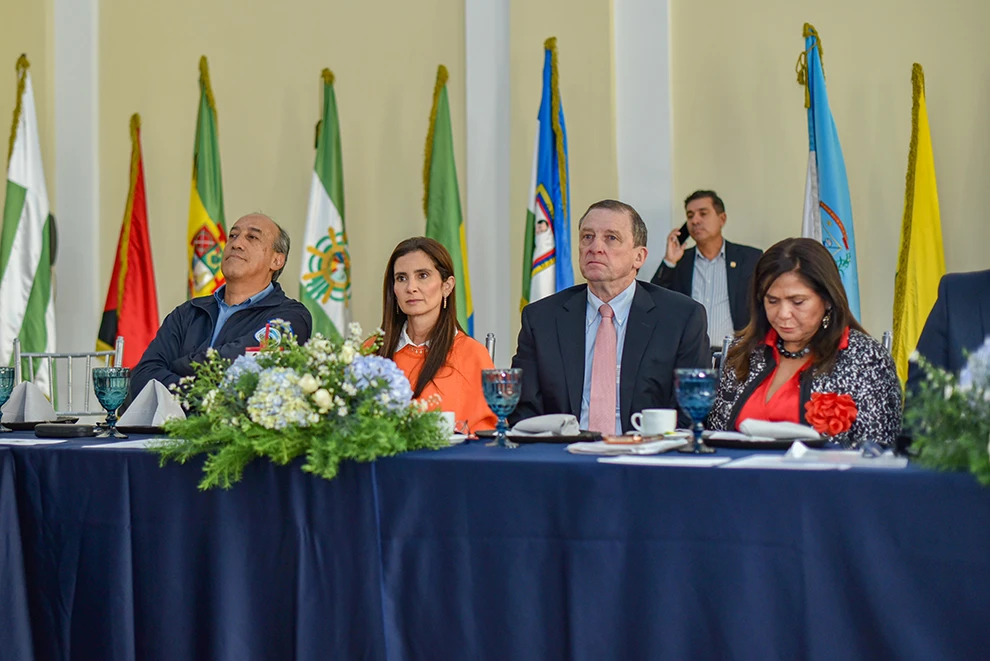
With broad participation from members of Congress representing different political parties and regions of the country, the Colombian Conservation Caucus convened the Parliamentary Working Session, "Conservation and Sustainable Development: Strengthening the Financial Sustainability of Protected Areas and Artisanal Fisheries in Colombia," held at the National Capitol through a joint effort between ICCF Colombia and Fundación MarViva.
The meeting brought together representatives from the Colombian Congress, the National Government, environmental authorities, international cooperation agencies, academia, civil society organizations, and the private sector to contribute to the development of a shared agenda aimed at strengthening biodiversity conservation through sustainable financing mechanisms for protected areas while recognizing artisanal fisheries as a key strategy for conservation, food security, and territorial development.
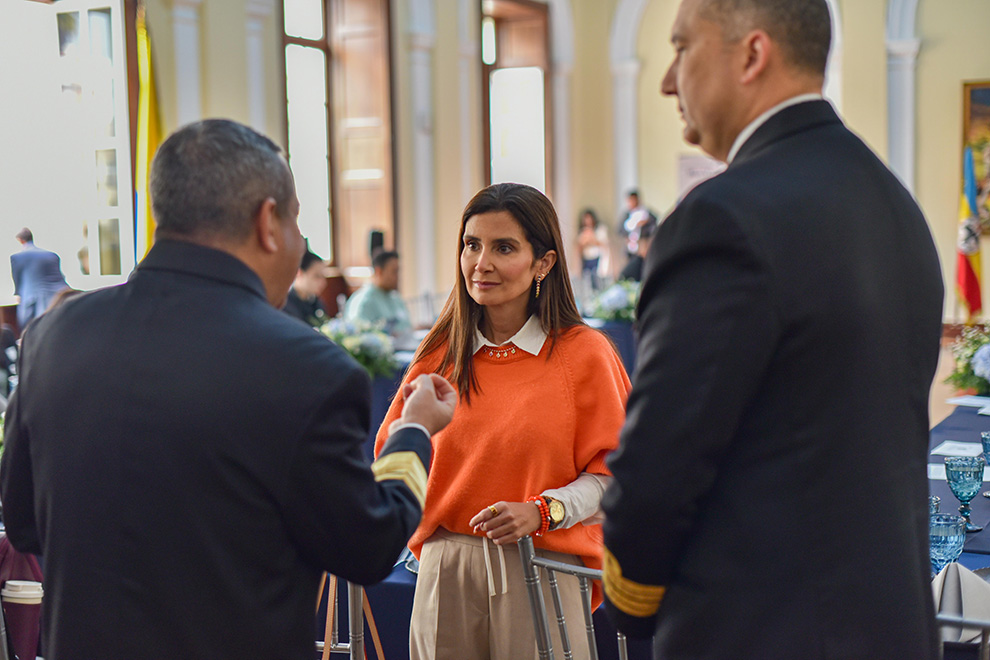
Senator María Angélica Guerra with officials from the National Army
The event was attended by Senator María Angélica Guerra and Representatives Astrid Sánchez Montes de Oca, Elizabeth Jay Pang, Jorge Méndez Hernández, Alejandro de la Ossa, Pedro Antonio Paternina Gulfo, Diego Zambrano, Franklin Lozano de la Ossa, Eimy Suárez, and Estefanel Gutiérrez, who reaffirmed Congress’s commitment to advancing legislative initiatives that strengthen the protection of Colombia’s natural capital as a foundation for the country’s economic and social development.
From Evidence to Parliamentary Action
During the first session, Jaime Cavelier, the ICCF Group’s Vice President of Strategic Partnerships, presented the main findings of the Policy Brief on the Financial Sustainability of Colombia’s National System of Protected Areas, developed jointly with Colombia’s National Natural Parks Agency (PNN).
The presentation highlighted the significant financial gap facing Colombia’s protected area system and emphasized the need to strengthen environmental budget allocations, consolidate sustainable financing mechanisms, and create enabling conditions to mobilize both public and private investment to ensure the effective management of these strategic conservation areas.
Participants agreed that biodiversity conservation should be viewed as an investment in national development and that Congress has a critical role to play in strengthening the legal and budgetary framework needed to ensure the long-term sustainability of Colombia’s protected areas.
Artisanal Fisheries as a Conservation Strategy
The second session focused on the importance of artisanal fisheries, particularly in Colombia’s Pacific region, as a vital contributor to marine and coastal ecosystem conservation, food security, and the livelihoods of thousands of families.
David Barrios, representing Fundación MarViva, shared examples of how artisanal fishing communities play an essential role in the sustainable management of marine and coastal resources. His presentation underscored the importance of recognizing artisanal fisheries within Colombia’s legislative agenda and advancing public policies that strengthen the blue economy and promote sustainable regional development.
A Multi-Stakeholder Dialogue to Build Solutions
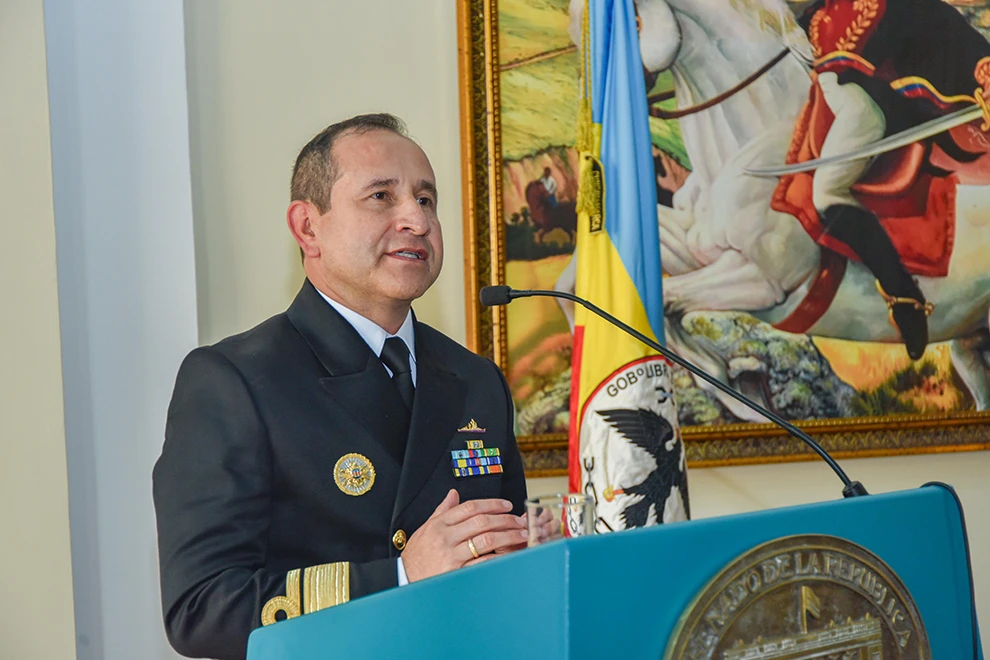
Rear Admiral Sanabria, Executive Secretary of the Colombian Ocean Commission
During the parliamentary dialogue, members of Congress, government representatives, and participants from across sectors exchanged perspectives on the key challenges and opportunities for strengthening the financial sustainability of protected areas while consolidating artisanal fisheries as an effective conservation strategy.
Discussions highlighted the importance of increasing public investment in the environmental sector, promoting sustainable conservation financing mechanisms, developing legislative instruments that encourage biodiversity protection, and strengthening partnerships among Congress, the National Government, environmental authorities, international cooperation agencies, the private sector, and civil society organizations.
As a result of the Working Session, participants proposed advancing the development of a multi-stakeholder roadmap to guide parliamentary leadership on conservation issues, support the analysis and prioritization of financial mechanisms for protected areas, and promote legislative initiatives that recognize artisanal fisheries as a strategic component of Colombia’s blue economy and sustainable development agenda.
Biodiversity, Culture, and Territory
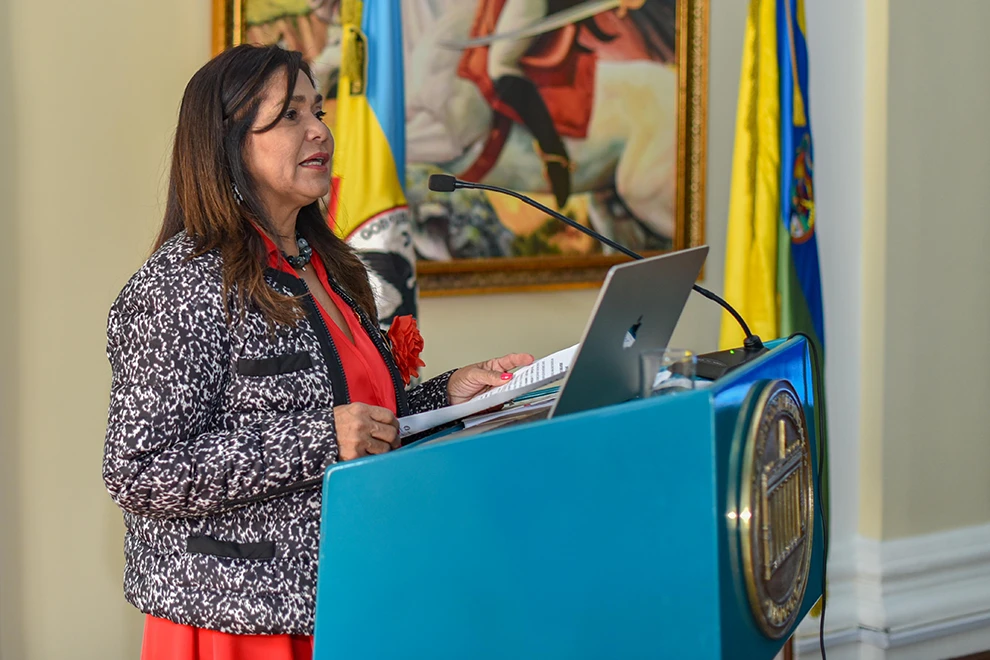
Hon. Elizabeth Jay Pang, Member of the House of Representatives for the Department of San Andrés Islands, Co‑Chair of the Colombian Conservation and Oceans Caucus, and Chair of the International Affairs Committee
The event also featured a culinary experience celebrating the rich gastronomic heritage of Colombia’s Pacific region, led by Chef Fausto Moreno, a native of the region. Beyond showcasing traditional cuisine, the experience highlighted the close connection between biodiversity, culture, artisanal fisheries, and territorial development, reinforcing the message that conserving nature also means protecting the knowledge, traditions, and livelihoods of the communities that have coexisted with these ecosystems for generations.
The Parliamentary Working Session was organized as part of the GEF-funded project "Enhancing Political Will for Sustainable Protected Areas Financing," implemented by the United Nations Environment Programme (UNEP) and executed by the ICCF Group.
 Regional Headquarters